Why Is It So Expensive to Go to the Dentist?

Are Titanium Dental Implants Safe? What You Should Know
August 19, 2026
Why Are Dentists Suicidal? Understanding Stress, Mental Health & Suicide Risk in Dentistry
August 19, 2026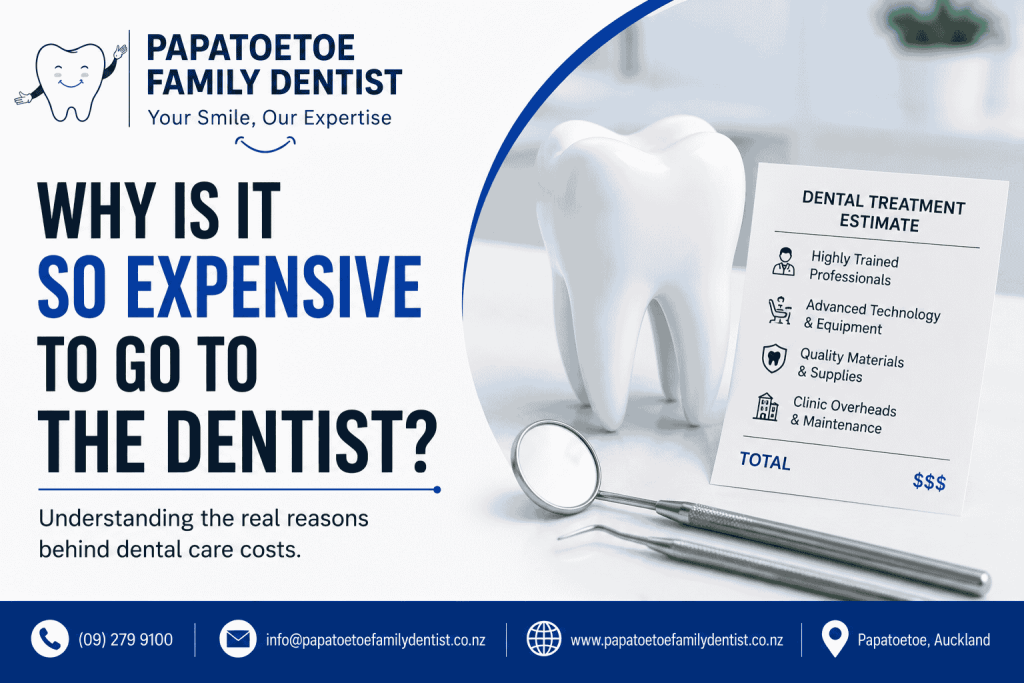
If you’ve ever received a dental bill and wondered “Why is it so expensive to go to the dentist?”, you’re certainly not alone. Dental treatment can sometimes cost more than people expect, particularly when a routine check-up turns into fillings, crowns, root canal treatment, or other procedures.
The cost of dental care isn’t simply the price of the dentist’s time. A dental practice has to cover highly trained staff, specialised equipment, materials, infection control, laboratory fees, technology, rent, insurance, and many other operating expenses.
In this guide, we’ll explain why dental treatment can be expensive and how regular preventive care may help you control costs over time.
Why Does Dental Treatment Cost So Much?
Several factors contribute to the cost of dental care.
1. Dentists Require Extensive Training
Becoming a dentist requires years of university education and clinical training.
Dentists must understand:
- Anatomy
- Oral diseases
- Dental materials
- Radiography
- Surgery
- Infection control
- Pain management
After qualification, dentists also need to maintain their knowledge through continuing professional development.
The cost of education and ongoing professional training contributes to the overall cost of providing dental care.
2. Dental Equipment Is Expensive
Modern dental practices use sophisticated equipment to diagnose and treat patients.
Examples include:
- Dental chairs
- Digital X-ray systems
- Sterilisation equipment
- Intraoral cameras
- Dental curing lights
- Surgical instruments
- Computer systems
- 3D imaging technology
Much of this equipment requires regular maintenance and replacement.
3. Dental Materials Can Be Costly
Dentists use specialised, high-quality materials during treatment.
Depending on the procedure, these may include:
- Composite resin
- Ceramic
- Dental crowns
- Implant components
- Local anaesthetics
- Impression materials
- Sterile instruments
For treatments such as crowns, bridges, and implants, laboratory and material costs can make up a significant portion of the total price.
4. Dental Laboratories Add to Treatment Costs
Some dental treatments require work from a specialised dental laboratory.
For example, laboratories may manufacture:
- Crowns
- Bridges
- Dentures
- Veneers
- Implant restorations
- Orthodontic appliances
These restorations are custom-made for each patient, which requires skilled technicians, specialised equipment, and materials.
5. Infection Control Is Essential
Dental practices must maintain very high standards of infection prevention.
Instruments need to be:
- Cleaned
- Sterilised
- Packaged
- Stored correctly
Clinics also need disposable items such as:
- Gloves
- Masks
- Protective barriers
- Suction tips
- Needles
- Other single-use equipment
These safety measures are essential for protecting patients and dental staff.
6. Dental Clinics Have Significant Business Expenses
A dental practice is also a business.
Costs can include:
- Building rent or mortgage
- Electricity
- Water
- Staff wages
- Insurance
- Software
- Equipment maintenance
- Cleaning
- Professional fees
- Regulatory costs
These expenses have to be reflected in the price of treatment for a clinic to operate sustainably.
7. Dental Treatment Takes Time
A dentist isn’t only charging for the minutes spent working inside your mouth.
The treatment fee can also account for:
- Diagnosis
- Treatment planning
- Preparing equipment
- Sterilisation
- Clinical staff
- Records
- Follow-up care
More complex procedures require significantly more time and resources.
Why Are Dental Implants So Expensive?
Dental implants are a good example of why some dental procedures cost more than others.
An implant treatment may involve:
- Consultation
- Dental X-rays or 3D imaging
- Implant surgery
- Healing period
- Abutment placement
- Custom crown
- Follow-up appointments
There can also be laboratory and surgical costs.
Because implant treatment involves multiple stages and highly specialised materials, the total price can be considerably higher than a simple filling.
Why Can a Filling Be Expensive?
Even a relatively straightforward filling involves more than just placing material into a tooth.
The dentist may need to:
- Examine the tooth
- Take an X-ray
- Remove decay
- Prepare the tooth
- Place bonding material
- Apply composite resin
- Cure the material
- Shape and polish the restoration
- Check your bite
The complexity and size of the filling can affect the final cost.
Why Is Private Dental Care Expensive?
In countries where dental treatment isn’t fully funded through the public healthcare system, patients may have to pay more of the treatment cost themselves.
In New Zealand, for example, adult dental care is generally provided privately, although some publicly funded services and assistance programs are available for eligible people.
This can make dental treatment feel particularly expensive when compared with other healthcare services.
Can Regular Dental Visits Save Money?
Yes.
Preventive dental care can help identify problems while they’re still relatively small.
For example:
A small cavity → simple filling
Untreated cavity → possible root canal and crown
Severely damaged tooth → possible extraction and replacement
Regular check-ups can therefore help reduce the risk of needing more complex treatment later.
How Can You Make Dental Treatment More Affordable?
Maintain Good Oral Hygiene
Brush twice a day with fluoride toothpaste and clean between your teeth regularly.
Attend Regular Check-Ups
Preventive examinations can help detect problems early.
Ask for a Treatment Plan
Before major treatment, ask your dentist for a written estimate explaining:
- Recommended treatment
- Individual costs
- Alternative options
- Expected number of appointments
Ask About Payment Plans
Some dental clinics offer:
- Instalment plans
- Finance options
- Payment arrangements
Compare Treatment Options
In some situations, there may be several ways to address a dental problem. Ask your dentist about the benefits, limitations, and costs of each option.
Is Expensive Dental Treatment Always Better?
Not necessarily.
A higher price doesn’t automatically mean better treatment, and the cheapest option isn’t always the most appropriate.
When comparing dental treatment, consider:
- Dentist qualifications
- Experience
- Materials used
- Treatment approach
- Clinic standards
- Long-term outcomes
The right treatment should be based on your dental needs, not simply the lowest price.
Frequently Asked Questions
Why is dental work so expensive?
Dental care involves highly trained professionals, specialised equipment, quality materials, infection control, laboratory costs, staff, and other operating expenses.
Is it cheaper to prevent dental problems?
Generally, yes. Preventive care can help identify and treat problems before they require more complicated procedures.
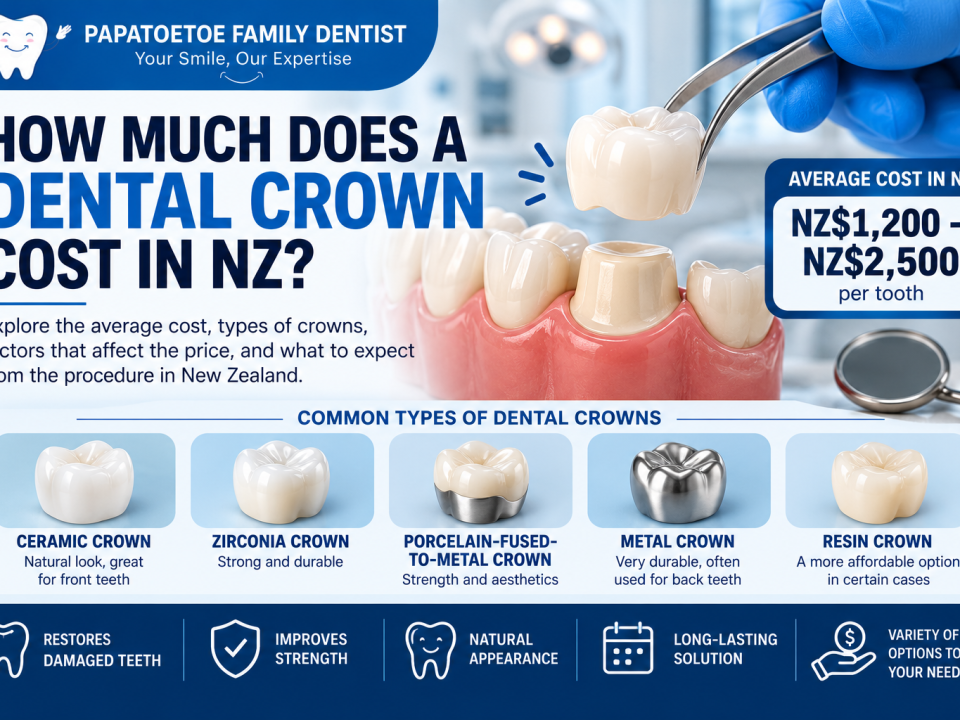
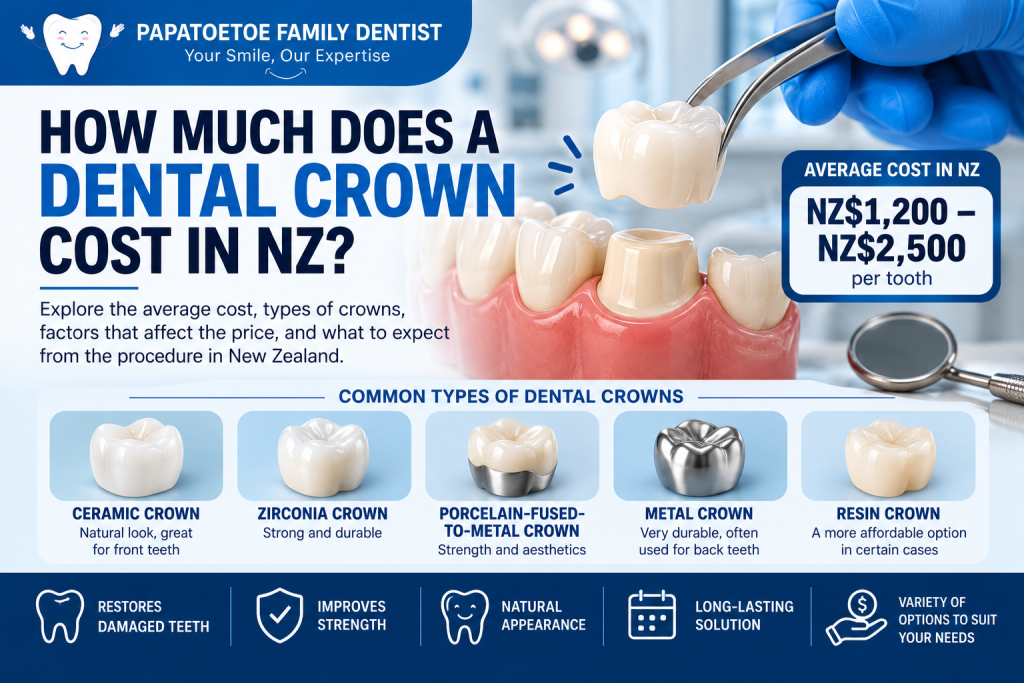
Why do crowns cost so much?
Crowns are custom-made restorations and often involve dental laboratory work, specialised materials, multiple appointments, and significant clinical time.
Can I negotiate dental prices?
Some clinics may offer payment plans or discuss alternative treatment options, but policies vary. It’s worth asking for a written treatment estimate before starting major treatment.
Final Thoughts
If you’re asking “Why is it so expensive to go to the dentist?”, the answer comes down to the many costs involved in providing safe, high-quality dental care. You’re paying not only for the dentist’s time but also for professional expertise, specialised equipment, materials, infection control, laboratory work, staff, and ongoing clinic expenses.
The best way to manage dental costs is to focus on prevention, maintain good oral hygiene, attend regular check-ups, and discuss treatment costs and alternatives with your dentist before beginning major procedures.
Dental clinics such as Papatoetoe Family Dentist can discuss treatment options and provide personalised recommendations based on your oral health needs.