Why Do Dental Implants Take So Long? A Complete Timeline Explained
What Is a Dental Infection? Causes, Symptoms, Treatment & Prevention
April 20, 2026How Often Should You See a Dental Hygienist?
April 20, 2026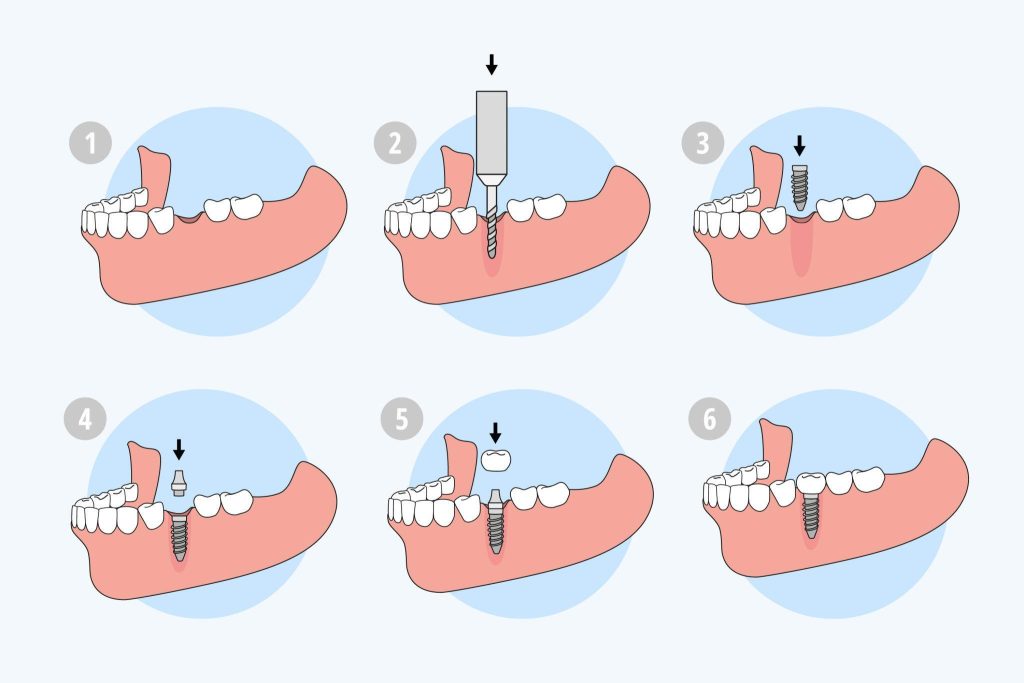
Dental implants are widely considered the gold standard for replacing missing teeth, but one of the most common questions patients ask is:
“Why do dental implants take so long?”
Unlike fillings or crowns, dental implants involve a multi-stage biological healing process. While the timeline may seem long, each step is essential to ensure the implant is strong, stable, and long-lasting. In this blog, we’ll break down exactly why dental implants take months, what’s happening during each stage, and why rushing the process can lead to failure.
What Is a Dental Implant?
A dental implant is a permanent tooth replacement that mimics a natural tooth structure. It consists of three main parts:
-
Implant post – a titanium screw placed in the jawbone
-
Abutment – connects the implant to the crown
-
Crown – the visible, natural-looking tooth
Unlike dentures or bridges, implants are anchored directly into the jawbone, which is why they require more time.
Short Answer: Why Do Dental Implants Take So Long?
Dental implants take time because:
-
Bone needs time to heal and fuse with the implant
-
The body must accept the implant naturally
-
Gum tissue needs proper healing
-
Each step prevents long-term complications
This healing process is known as osseointegration, and it cannot be rushed.
Step-by-Step Dental Implant Timeline
1. Initial Consultation & Planning
Before treatment begins, the dentist will:
-
Examine your teeth and gums
-
Take X-rays or 3D scans
-
Check bone density and gum health
If gum disease or infection is present, it must be treated first—adding time but ensuring success.
⏱ Time: 1–2 appointments
2. Tooth Extraction (If Required)
If a damaged tooth is still present, it must be removed before placing an implant.
After extraction:
-
The socket needs time to heal
-
Bone begins natural regeneration
⏱ Healing time: 2–8 weeks
(sometimes longer for complex extractions)
3. Bone Grafting (If Needed)
Not everyone has enough jawbone to support an implant.
Bone grafting may be required if:
-
The tooth was missing for a long time
-
Bone loss has occurred
-
Gum disease affected the jawbone
Bone grafts strengthen the jaw and improve implant stability.
⏱ Healing time: 3–6 months
(this is one of the biggest reasons implants take longer)
4. Implant Placement Surgery
Once the bone is ready, the titanium implant is placed into the jaw.
This is a minor surgical procedure done under local anesthesia.
After placement:
-
The gum is closed
-
Healing begins
⏱ Surgery time: 1–2 hours
⏱ Initial recovery: 7–10 days
5. Osseointegration (The Most Important Step)
This is the main reason dental implants take so long.
Osseointegration is when:
-
The jawbone grows around the implant
-
The implant becomes part of the bone
-
A strong foundation is created
Skipping or rushing this stage can cause implant failure.
⏱ Time required: 3–6 months
6. Abutment Placement
Once the implant is fully fused:
-
A small connector (abutment) is attached
-
Gums heal around it
⏱ Healing time: 1–2 weeks
7. Crown Placement (Final Tooth)
The final step is placing the custom-made crown.
The crown is:
-
Color-matched to natural teeth
-
Designed for proper bite alignment
-
Fixed securely onto the implant
⏱ Time: 1–2 appointments
Total Time: How Long Do Dental Implants Take?
| Situation | Estimated Time |
|---|---|
| Ideal case (no grafting) | 3–5 months |
| With extraction | 4–6 months |
| With bone grafting | 6–9+ months |
Why Rushing Dental Implants Is a Bad Idea
Trying to speed up implants can lead to:
-
Implant loosening
-
Bone loss
-
Implant failure
Dental implants are designed to last 15–25 years or more, so taking extra months upfront is worth it.
Factors That Can Slow Down Implant Healing
1. Smoking
Smoking reduces blood flow and slows bone healing dramatically.
2. Gum Disease
Active periodontal disease must be treated first.
3. Medical Conditions
Conditions like diabetes or immune disorders may extend healing time.
4. Poor Oral Hygiene
Plaque buildup increases infection risk.
Can Dental Implants Be Done Faster?
In some cases, same-day implants are possible, but only if:
-
Bone quality is excellent
-
No infection is present
-
Bite pressure is low
Even then, healing still occurs internally over months.
Is the Wait Worth It?
Yes—because dental implants:
✔ Look and feel natural
✔ Prevent bone loss
✔ Protect nearby teeth
✔ Last much longer than bridges or dentures
Clinics such as Papatoetoe Family Dentist focus on proper planning and healing timelines to ensure implants are safe, strong, and long-lasting.
Frequently Asked Questions (FAQs)
Why does bone need time to heal around implants?
Bone cells must grow and attach to the implant for stability—this biological process takes months.
Can I eat normally during implant healing?
Soft foods are recommended initially. Normal eating resumes gradually.
Do implants hurt while healing?
Mild discomfort is normal, but severe pain is not and should be checked.
What happens if I skip bone grafting?
Without enough bone, implants may fail or loosen over time.
Final Thoughts
If you’re wondering why dental implants take so long, remember that the timeline exists to protect your health and investment. Dental implants aren’t rushed because they’re meant to be permanent, strong, and reliable.
Patience during the process leads to a smile that lasts for decades.