Can You Go to the Dentist When Pregnant? A Complete Guide for Expecting Mothers
How Long After Knee Replacement Can I Have Dental Work?
June 15, 2026
Who Buys Dental Gold? A Complete Guide to Selling Gold Crowns and Dental Scrap
July 16, 2026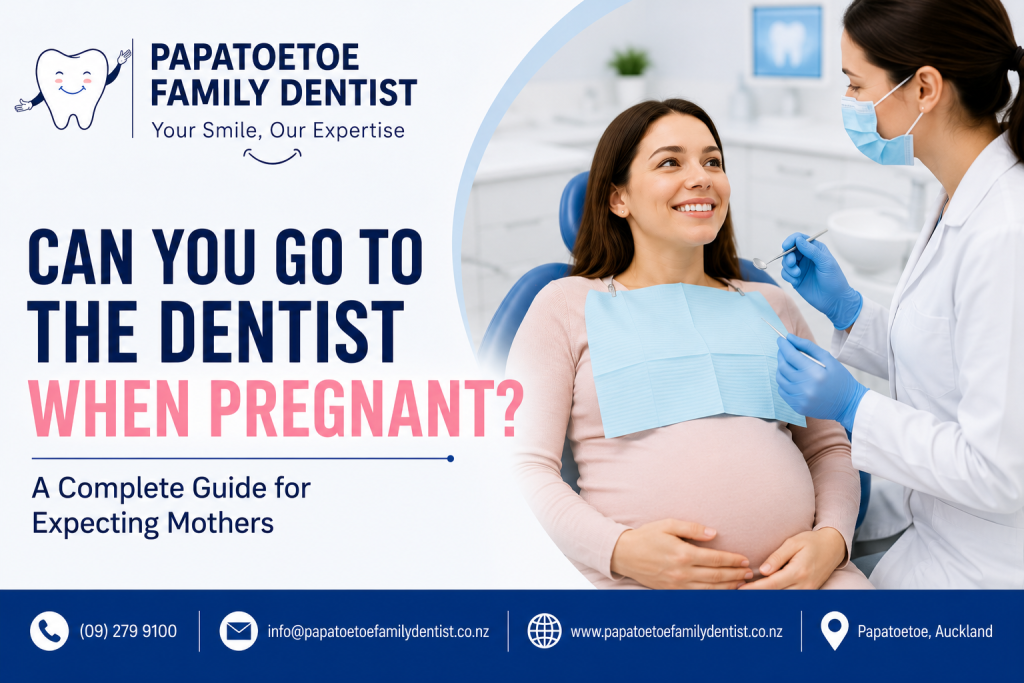
Pregnancy brings many changes to your body, including changes that can affect your teeth and gums. As hormone levels fluctuate, some women experience swollen gums, increased sensitivity, or even pregnancy-related gum disease. This often leads to the question: “Can you go to the dentist when pregnant?”
The reassuring answer is yes. In fact, maintaining good oral health during pregnancy is important for both your wellbeing and your baby’s health. Routine dental check-ups, professional cleanings, and many necessary dental treatments are considered safe during pregnancy, especially when your dentist is aware that you’re expecting.
In this guide, we’ll explain which dental treatments are safe during pregnancy, when it’s best to schedule appointments, and how to care for your oral health throughout your pregnancy.
Is It Safe to Visit the Dentist During Pregnancy?
Yes.
Most dentists encourage pregnant women to continue routine dental care throughout pregnancy.
Regular dental visits help:
- Prevent gum disease
- Detect cavities early
- Reduce the risk of dental infections
- Maintain healthy teeth and gums
- Address dental pain before it worsens
Always tell your dentist how far along your pregnancy is and inform them about any medications or medical conditions.
Why Is Dental Health Important During Pregnancy?
Hormonal changes can make your gums more sensitive to plaque, increasing the risk of:
- Pregnancy gingivitis
- Bleeding gums
- Gum swelling
- Gum tenderness
Morning sickness can also expose your teeth to stomach acid, which may weaken tooth enamel over time.
Good oral hygiene and regular dental care help minimise these risks.
When Is the Best Time to Visit the Dentist?
First Trimester (Weeks 1–12)
Routine examinations and emergency dental care are generally safe during the first trimester.
However, unless treatment is urgent, some elective procedures may be postponed until the second trimester, when possible.
Second Trimester (Weeks 13–27)
The second trimester is often considered the ideal time for most routine and necessary dental treatments.
At this stage:
- Morning sickness often improves.
- Lying back in the dental chair is usually more comfortable.
- Many routine procedures can be completed safely.
Third Trimester (Weeks 28–40)
Routine check-ups and urgent dental treatment remain safe.
For longer appointments, your dentist may adjust your seating position to improve comfort and reduce pressure on major blood vessels.
What Dental Treatments Are Safe During Pregnancy?
Many common dental procedures are considered safe during pregnancy, including:
- Dental examinations
- Professional teeth cleaning
- Fillings
- Crowns
- Emergency dental treatment
- Treatment for infections
- Root canal treatment (when necessary)
Delaying treatment for painful or infected teeth is usually not recommended, as untreated infections can pose greater risks than appropriate dental care.
Are Dental X-Rays Safe During Pregnancy?
Dental X-rays are generally avoided unless they are clinically necessary.
If an X-ray is required:
- A lead apron is typically used.
- Modern digital X-rays use very low levels of radiation.
- Your dentist will only recommend imaging when the benefits outweigh any potential risks.
Always inform your dentist if you are pregnant before any X-rays are taken.
Can You Have Local Anaesthetic?
Yes.
Local anaesthetics used for dental treatment are generally considered safe during pregnancy when administered appropriately.
Your dentist will choose medications suitable for pregnant patients and use the minimum amount needed to keep you comfortable.
Should You Avoid Any Dental Treatments?
Some procedures may be postponed until after your baby is born if they are not urgent, such as:
- Teeth whitening
- Cosmetic veneers
- Elective smile makeovers
These treatments are usually delayed because they are not medically necessary during pregnancy.
How Pregnancy Can Affect Your Teeth and Gums
Common oral health changes include:
Pregnancy Gingivitis
Many women develop:
- Red gums
- Swollen gums
- Bleeding during brushing
Professional cleanings and good home care usually help manage these symptoms.
Increased Risk of Cavities
Frequent snacking, cravings, and vomiting may increase the risk of tooth decay.
Brushing with fluoride toothpaste and reducing sugary snacks can help protect your teeth.
Pregnancy Tumours
Some women develop small, harmless gum growths called pregnancy tumours (pyogenic granulomas).
These are usually temporary and often disappear after childbirth.
Your dentist can assess whether any treatment is needed.
Tips for Maintaining Healthy Teeth During Pregnancy
✔ Brush twice daily with fluoride toothpaste
✔ Floss every day
✔ Rinse your mouth with water after morning sickness
✔ Limit sugary snacks and drinks
✔ Stay hydrated
✔ Attend regular dental check-ups
✔ Inform your dentist that you’re pregnant
These habits help protect both your oral health and your overall wellbeing.
When Should You Contact a Dentist Immediately?
Don’t delay treatment if you experience:
- Severe tooth pain
- Swelling
- Bleeding gums that don’t improve
- Broken teeth
- Dental abscess
- Signs of infection
Prompt treatment is usually safer than allowing the condition to worsen.
Dental clinics such as Papatoetoe Family Dentist provide safe dental care for pregnant patients and can adapt treatment plans to ensure both mother and baby receive appropriate care throughout pregnancy.
Frequently Asked Questions
Is it safe to have a dental cleaning while pregnant?
Yes. Professional teeth cleaning is considered safe and is often recommended during pregnancy.
Can I have a filling while pregnant?
Yes. If a filling is needed, your dentist can usually complete the treatment safely during pregnancy.
Should I postpone dental treatment until after giving birth?
Only cosmetic procedures are usually delayed. Necessary dental treatment should not be postponed unnecessarily.
Can gum disease affect pregnancy?
Some studies have suggested an association between untreated periodontal disease and certain pregnancy complications. Keeping your gums healthy is an important part of prenatal care, although gum disease does not mean complications will occur.
Final Thoughts
If you’re wondering “Can you go to the dentist when pregnant?”, the answer is yes—and you should. Regular dental check-ups, professional cleanings, and necessary treatments are generally safe during pregnancy and can help prevent more serious oral health problems.
By maintaining good oral hygiene, attending routine dental appointments, and informing your dentist about your pregnancy, you can protect your smile and support your overall health throughout this important time.