What Do Dentists Use for Sedation? A Complete Guide to Dental Sedation

How Much Do Dentists Charge for Teeth Whitening? A Complete Cost Guide
November 12, 2026
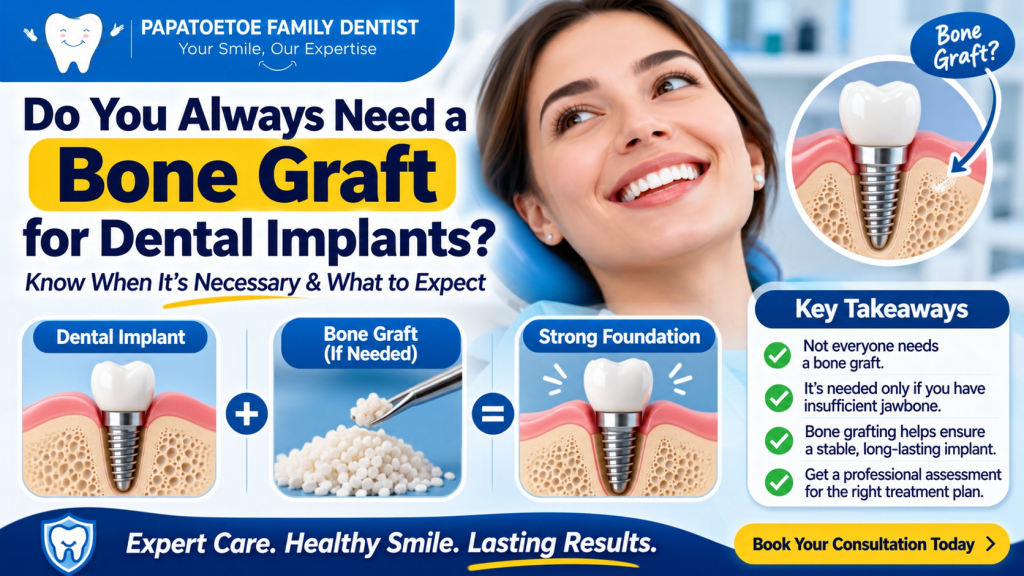
Do You Always Need a Bone Graft for Dental Implants?
November 20, 2026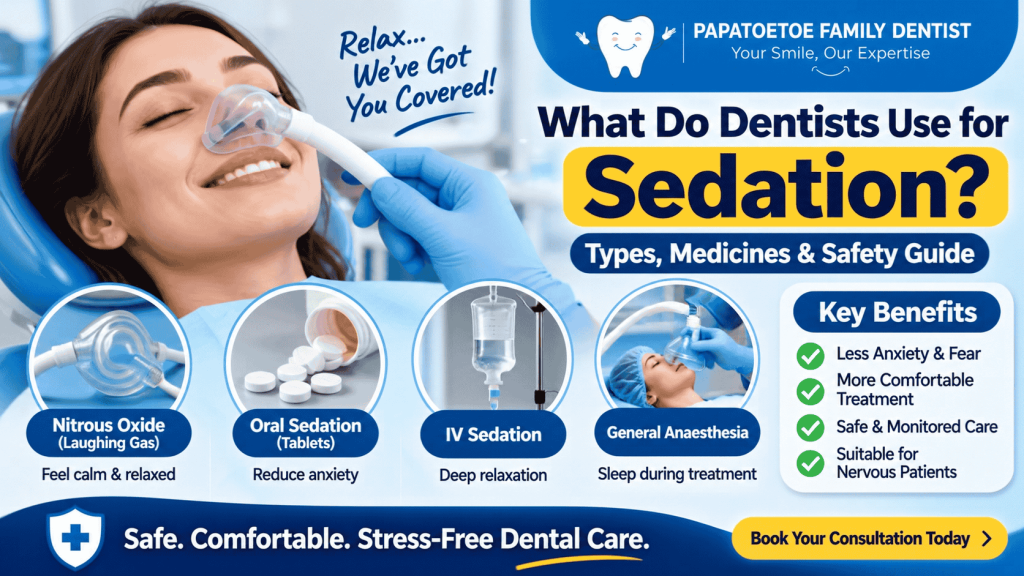
Feeling nervous about visiting the dentist is more common than many people realise. Some patients experience anxiety before routine dental appointments, while others feel uncomfortable about injections, tooth extractions, root canal treatment, or lengthy dental procedures.
Fortunately, modern dentistry offers several ways to help patients feel more relaxed and comfortable during treatment. One option is dental sedation, which uses medication or inhaled gases to reduce anxiety and help patients tolerate dental procedures.
But what exactly do dentists use for sedation? Are patients asleep during treatment? Does sedation remove pain completely? And which type is suitable for someone who is afraid of the dentist?
In this guide, we explain the different types of dental sedation, the medicines commonly used, how they work, their potential side effects, and what patients should know before choosing sedation dentistry in New Zealand.
What Is Dental Sedation?
Dental sedation is a technique that uses medication to help patients relax during dental treatment.
It is commonly offered to people who experience dental anxiety, have difficulty tolerating certain procedures, or require assistance remaining comfortable during longer treatments.
Depending on the medication and technique, sedation can make you feel calm, relaxed, drowsy, or less aware of what is happening around you.
Some patients remain fully awake and can communicate normally, while others experience a deeper level of relaxation and may remember very little about the procedure afterwards.
Dental sedation is commonly considered for:
- Patients with dental anxiety or fear.
- People who struggle with dental injections.
- Patients undergoing complex dental procedures.
- People requiring lengthy dental treatment.
- Patients who have difficulty remaining comfortable in the dental chair.
- Selected patients who need additional support during dental treatment.
It is important to understand that sedation and local anaesthesia are different. Sedation helps reduce anxiety, while local anaesthesia numbs the treatment area to prevent pain. Dentists often use both together when appropriate.
What Do Dentists Use for Sedation?
Dentists can use different medications and techniques depending on the patient’s needs, medical history, level of anxiety, and type of treatment.
The most common approaches include:
- Nitrous oxide and oxygen inhalation sedation.
- Oral sedation using tablets or liquid medication.
- Intravenous (IV) sedation.
- General anaesthesia for selected procedures.
Not every dental practice provides every type of sedation. In New Zealand, practitioners must meet the relevant training, competence, and professional requirements for the sedation they provide.
Let’s look at each option in more detail.
1. Nitrous Oxide Sedation (Laughing Gas)
<escape>Nitrous oxide</escape>, commonly known as laughing gas, is one of the recognised methods of dental inhalation sedation.
It is administered through a small mask placed over the patient’s nose. The patient breathes a controlled mixture of nitrous oxide and oxygen throughout the treatment.
Nitrous oxide helps reduce anxiety and creates a relaxed feeling. Some patients experience light-headedness, warmth, or a mild sense of euphoria.
How Does Laughing Gas Work?
The patient breathes the gas through a nasal mask while the dental professional adjusts the mixture according to the treatment and individual response.
Patients generally remain conscious and able to respond to instructions.
One advantage of nitrous oxide is that its effects usually wear off relatively quickly after administration stops and oxygen is provided according to the clinical protocol.
Benefits of Nitrous Oxide
- Helps reduce dental anxiety.
- Does not usually require a needle for administering the sedation itself.
- Patients generally remain awake.
- Its effects are relatively short-lasting.
- Recovery is usually quicker than with oral or IV sedation.
Is Laughing Gas Suitable for Everyone?
Not necessarily. The suitability of nitrous oxide depends on the patient’s medical history, ability to breathe comfortably through the nose, and the nature of the procedure.
Patients should tell their dentist about respiratory conditions, pregnancy, medications, and other relevant health information before treatment.
2. Oral Sedation (Sedation Tablets or Liquid)
Oral sedation involves taking a prescribed sedative medication by mouth before dental treatment.
It may be provided in tablet or liquid form, depending on the medication and clinical situation.
Oral sedation is often considered for patients who experience mild to moderate dental anxiety or need additional help relaxing during treatment.
What Medicines Are Used for Oral Sedation?
Dentists may use medicines from a group called benzodiazepines when clinically appropriate.
Examples include:
- Diazepam: A medication that can help reduce anxiety and promote relaxation.
- Midazolam: A short-acting benzodiazepine that may be used in selected dental sedation situations.
The medicine selected depends on the patient’s medical history, treatment requirements, and the practitioner’s sedation plan.
These medicines should only be taken according to the instructions of the treating healthcare professional.
What Does Oral Sedation Feel Like?
Patients may experience:
- Relaxation and reduced anxiety.
- Drowsiness.
- Reduced awareness of the procedure.
- Slower reactions.
- Limited memory of some parts of treatment.
The level of sedation varies between individuals. Oral medication can take time to work, and its effects cannot be adjusted as precisely once the dose has been swallowed.
Benefits of Oral Sedation
- Convenient administration.
- May help patients who feel nervous about dental treatment.
- Can reduce anxiety during selected procedures.
- Does not require an intravenous line to administer the initial medication.
Important Safety Precautions
Oral sedation can affect alertness, memory, and coordination for several hours.
Depending on the medication and level of sedation, patients may need a responsible adult to accompany them home.
Do not drive, operate machinery, drink alcohol, or make important decisions until you have been advised that it is safe to do so.
3. Intravenous (IV) Sedation
Intravenous sedation is another method used in dental practices for patients who require a greater level of relaxation.
The sedative medication is administered through a small cannula placed into a vein, usually in the hand or arm.
The medication can be adjusted gradually by a suitably trained sedation practitioner, allowing the level of sedation to be managed throughout the procedure.
Which Medicines Are Used for IV Sedation?
One commonly used medication is midazolam, a benzodiazepine that helps reduce anxiety and produces sedation.
In selected situations, trained practitioners may use additional medications according to the treatment requirements and applicable clinical standards.
The choice of medication depends on the patient’s health, procedure, and sedation plan.
What Happens During IV Sedation?
Before treatment, the dental team reviews the patient’s medical history and assesses whether IV sedation is appropriate.
A small cannula is placed into a vein, and the sedative is administered in controlled amounts.
Patients often feel deeply relaxed and may become drowsy. They can usually respond to instructions during moderate sedation, although they may remember little about the procedure afterwards.
The clinical team monitors the patient throughout sedation and recovery.
Benefits of IV Sedation
- The level of sedation can be adjusted during treatment.
- Can be useful for significant dental anxiety.
- May be appropriate for longer or more complex procedures.
- Some patients have limited memory of the treatment.
- Allows sedation to be managed under continuous clinical monitoring.
Do You Sleep During IV Sedation?
Not necessarily.
With moderate IV sedation, patients are generally not fully unconscious. They can usually respond purposefully to verbal instructions or light touch.
The experience varies from person to person, and some patients may remember very little afterwards.
IV sedation is different from general anaesthesia, where the patient is unconscious.
4. General Anaesthesia for Dental Treatment
General anaesthesia is different from ordinary dental sedation.
It involves medication that makes the patient unconscious during the procedure. The patient does not respond normally to their surroundings and requires specialist airway and physiological monitoring.
It may be considered for selected patients who:
- Require extensive dental treatment.
- Cannot tolerate treatment using other methods.
- Have particular medical or behavioural needs.
- Require certain complex surgical procedures.
In New Zealand, general anaesthesia for dental procedures is administered by an appropriately qualified specialist anaesthetist, with the necessary clinical team and facilities.
What Medicines Are Used for General Anaesthesia?
Depending on the procedure and patient’s medical needs, an anaesthetist may use medicines such as:
- Propofol.
- Sevoflurane.
- Other appropriate anaesthetic medications.
The exact combination is selected by the anaesthetist.
Patients are continuously monitored throughout general anaesthesia and during recovery.
General anaesthesia is not simply a stronger version of laughing gas or oral sedation. It requires a different level of medical care and monitoring.
Comparison of Different Dental Sedation Types
Here is a simple comparison to help you understand the main differences.
| Sedation Type | Common Medicine or Method | Patient Experience |
|---|---|---|
| Nitrous oxide | Nitrous oxide and oxygen | Relaxed and generally awake |
| Oral sedation | Diazepam or midazolam, when appropriate | Relaxed or drowsy |
| IV sedation | Commonly midazolam | Deeply relaxed; may remember little |
| General anaesthesia | Medicines such as propofol or sevoflurane | Unconscious during treatment |
The most suitable option depends on your individual circumstances and the procedure being performed.
Does Dental Sedation Remove Pain Completely?
No. Dental sedation and pain relief are not the same thing.
Sedation helps patients feel relaxed and less anxious, but it does not necessarily prevent pain from dental treatment.
Dentists commonly combine sedation with local anaesthesia when appropriate.
For example, a patient receiving IV sedation for a tooth extraction may also receive a local anaesthetic injection to numb the treatment area.
This combination helps manage both anxiety and pain.
If you are worried about feeling pain during treatment, discuss your concerns with your dentist before the procedure.
Is Dental Sedation Safe?
Dental sedation can be provided safely when patients are appropriately assessed and the treatment is performed by trained professionals using suitable monitoring and emergency procedures.
However, no sedative medication is completely risk-free.
The risks depend on the type of sedation, medication, dose, patient’s medical history, and level of monitoring.
Possible side effects include:
- Drowsiness.
- Dizziness.
- Nausea.
- Temporary confusion.
- Reduced coordination.
- Changes in breathing or blood pressure.
- Allergic reactions, although these are uncommon.
Deeper levels of sedation carry additional risks and require more intensive monitoring and appropriately trained clinical staff.
How Do Dentists Keep Patients Safe?
Before sedation, the dental team may:
- Review your medical history.
- Ask about allergies and current medications.
- Assess your general health and relevant risk factors.
- Explain the proposed sedation method.
- Obtain informed consent.
- Provide instructions about eating, drinking, and medication when necessary.
- Arrange appropriate monitoring and recovery care.
Patients should always provide accurate medical information before sedation.
What Should You Tell Your Dentist Before Sedation?
Your medical history plays an important role in choosing the appropriate sedation method.
Before your appointment, inform your dentist if you:
- Have heart or lung conditions.
- Have sleep apnoea or breathing difficulties.
- Have liver or kidney disease.
- Take prescription or non-prescription medicines.
- Have allergies to medicines.
- Are pregnant or breastfeeding.
- Have previously experienced problems with anaesthesia or sedation.
- Consume alcohol or use recreational substances.
- Have had an unusual reaction to dental treatment.
Never take additional sedative medication or someone else’s prescription medicine before a dental appointment.
Your dentist needs complete and accurate information to plan treatment safely.
What Should You Do After Dental Sedation?
Recovery depends on the type of sedation used.
After nitrous oxide sedation, many patients recover relatively quickly, although they should follow the dental team’s instructions before leaving.
Oral and IV sedation can affect memory, balance, coordination, and judgement for longer.
Your dental team may recommend:
- Having a responsible adult take you home.
- Resting for the remainder of the day.
- Avoiding driving.
- Avoiding alcohol.
- Avoiding machinery and important decisions.
- Following specific eating and drinking instructions.
- Taking prescribed medicines only as directed.
Patients should not leave the clinic until the sedation practitioner has assessed their recovery and confirmed that discharge is appropriate.
Is Dental Sedation Suitable for Patients with Dental Anxiety?
Yes. Sedation can be helpful for some patients who experience significant dental anxiety.
For example, someone who feels extremely nervous about injections may benefit from discussing nitrous oxide or another suitable sedation option.
Patients who are anxious about longer procedures may be assessed for oral or IV sedation.
However, sedation does not address every cause of dental fear. Some patients may also benefit from a supportive dental environment, clear communication, relaxation techniques, and gradual treatment planning.
Tell your dentist what makes you uncomfortable. Understanding your concerns can help the dental team create a more suitable treatment experience.
How to Choose the Right Dental Sedation Option
There is no single sedation method that works best for every patient.
Your dentist will consider your anxiety level, medical history, treatment requirements, and the available sedation services.
Here are some general considerations:
For mild dental anxiety: Nitrous oxide may be an option for suitable patients who want to remain awake and relaxed.
For patients who need additional relaxation: Oral sedation may be considered following a clinical assessment.
For significant anxiety or longer procedures: IV sedation may be appropriate when provided by a suitably trained practitioner.
For selected complex cases: General anaesthesia may be recommended when other approaches are unsuitable.
These are general examples, not individual treatment recommendations. A professional assessment is necessary before choosing sedation.
Conclusion
So, what do dentists use for sedation?
Dentists may use nitrous oxide, oral sedative medicines such as diazepam or midazolam, and intravenous medications such as midazolam to help patients feel more comfortable during dental treatment. For selected procedures, general anaesthesia may also be used under the care of a specialist anaesthetist.
Each method offers different benefits and levels of sedation. The right choice depends on your medical history, anxiety level, treatment requirements, and the clinical expertise available.
It is also important to remember that sedation does not automatically remove pain. Local anaesthesia is commonly used alongside sedation to numb the treatment area.
At Papatoetoe Family Dentist, we believe that patients should feel informed and comfortable when discussing dental treatment. If dental anxiety is preventing you from visiting a dentist, speak with a dental professional about the options available and whether sedation may be suitable for your needs.
Frequently Asked Questions About Dental Sedation
1. What is the most common sedation used by dentists?
Common options include nitrous oxide inhalation sedation, oral sedation, and IV sedation. The availability of each option depends on the dental practice and the practitioner’s qualifications.
2. What drug do dentists use for IV sedation?
Midazolam is a commonly used medicine for IV dental sedation. Other medications may be considered in selected situations by appropriately trained practitioners.
3. Do dentists use laughing gas?
Yes. Nitrous oxide, commonly called laughing gas, is used in dental practices to help reduce anxiety and promote relaxation during treatment.
4. Does dental sedation put you to sleep?
Not always. Most conscious sedation techniques allow patients to remain awake and respond to instructions. General anaesthesia is different because it produces unconsciousness.
5. Is IV sedation better than laughing gas?
Neither is automatically better. Nitrous oxide is generally suitable for lighter relaxation, while IV sedation can provide a more adjustable and deeper level of sedation. The appropriate option depends on the patient and procedure.
6. Will I feel pain during dental sedation?
Sedation helps reduce anxiety but does not necessarily prevent pain. Dentists commonly use local anaesthesia alongside sedation to numb the treatment area.
7. How long does dental sedation last?
The duration varies according to the medication and method used. Nitrous oxide usually wears off relatively quickly, while oral and IV sedatives can affect alertness and coordination for several hours.
8. Can I drive after dental sedation?
After oral or IV sedation, patients generally must not drive until it is safe according to the clinical instructions. A responsible adult may be required to take you home. Follow your dentist’s specific advice.
9. Is dental sedation safe for nervous patients?
Sedation can be an appropriate option for selected nervous patients when properly assessed and administered by trained professionals. The benefits and risks should be discussed before treatment.
10. Can I request sedation for a tooth extraction?
You can discuss sedation with your dentist if you feel anxious about a tooth extraction. The dentist will assess your medical history, procedure requirements, and suitability before recommending an option.