What Do Dental Hygienists Do? A Complete Guide to Their Role in Oral Health

Who Buys Dental Gold? A Complete Guide to Selling Gold Crowns and Dental Scrap
July 16, 2026
Is Dental Hygiene Worth It? Benefits of Professional Teeth Cleaning and Good Oral Care
July 16, 2026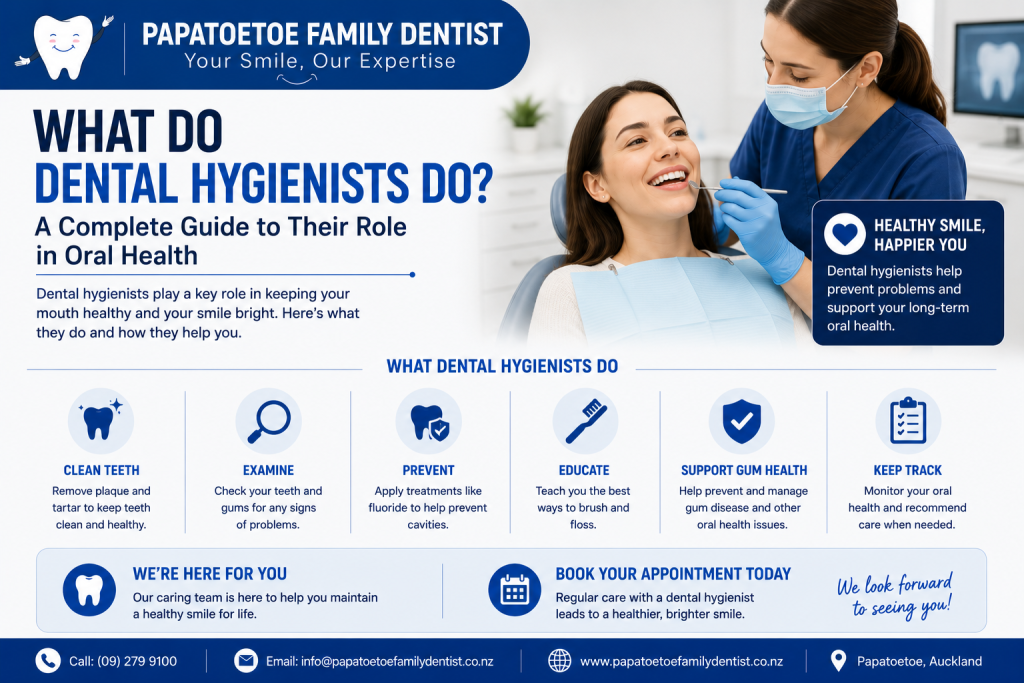
When you visit a dental clinic for a routine check-up or professional teeth cleaning, you’re likely to spend time with a dental hygienist. But many people still ask: “What do dental hygienists do?”
Dental hygienists are highly trained oral healthcare professionals who focus on preventing dental problems before they become serious. They work alongside dentists to help patients maintain healthy teeth and gums through professional cleanings, oral health assessments, and education.
In this guide, we’ll explain what dental hygienists do, the treatments they provide, and why regular hygiene appointments are an important part of maintaining a healthy smile.
Who Is a Dental Hygienist?
A dental hygienist is a licensed dental professional who specialises in preventive oral healthcare.
Their primary goal is to help patients:
Prevent tooth decay
Reduce the risk of gum disease
Maintain healthy gums
Improve oral hygiene habits
Detect early signs of dental problems
While dentists diagnose and treat complex dental conditions, dental hygienists focus on prevention and ongoing oral care.
What Does a Dental Hygienist Do?
Dental hygienists perform a variety of important services that help keep your mouth healthy.
- Professional Teeth Cleaning
One of the most common responsibilities of a dental hygienist is performing professional dental cleanings.
During a cleaning, they remove:
Plaque
Hardened tartar (calculus)
Surface stains
These deposits cannot always be removed with brushing and flossing alone.
Professional cleaning helps reduce the risk of cavities and gum disease.
- Assess Gum Health
Dental hygienists carefully examine your gums for signs of:
Gingivitis
Periodontitis
Gum recession
Bleeding
Swelling
Early detection allows treatment to begin before serious damage occurs.
- Remove Plaque and Tartar
Even patients with excellent oral hygiene develop some tartar over time.
Dental hygienists use specialised instruments to safely remove these deposits without damaging your teeth.
- Polish Teeth
After cleaning, your teeth may be polished to remove minor stains and leave them feeling smooth and clean.
This also makes it more difficult for plaque to stick to the tooth surface.
- Apply Preventive Treatments
Depending on your needs, a dental hygienist may apply:
Fluoride treatments
Desensitising agents
Preventive protective coatings
These treatments help strengthen teeth and reduce sensitivity.
- Take Dental X-Rays
In many regions, qualified dental hygienists can take dental X-rays.
These images help detect:
Cavities
Bone loss
Impacted teeth
Hidden infections
The dentist uses these images to diagnose problems and plan treatment.
- Teach Proper Oral Hygiene
Education is a major part of a dental hygienist’s role.
They may demonstrate:
Correct brushing techniques
Proper flossing methods
How to use interdental brushes
Water flosser techniques
Tips for caring for braces, implants, or bridges
Personalised advice helps patients improve their daily oral hygiene routine.
- Monitor Overall Oral Health
Dental hygienists also watch for changes in your mouth that may require further assessment.
They may notice:
Unusual sores
Signs of oral cancer
Tooth wear
Gum changes
Dry mouth
Bite-related issues
If necessary, they’ll refer any concerns to the dentist for further evaluation.
What Happens During a Dental Hygiene Appointment?
A typical appointment usually includes:
Oral Examination
Your hygienist checks your:
Teeth
Gums
Existing dental work
Plaque levels
Professional Cleaning
Plaque and tartar are carefully removed from above and below the gumline.
Teeth Polishing
The teeth are polished to remove surface stains and create a smooth finish.
Personalised Advice
You’ll receive recommendations based on your oral health and lifestyle.
Most appointments last between 30 and 60 minutes.
How Often Should You See a Dental Hygienist?
For most people, professional cleaning is recommended every:
Six months
Some patients may benefit from appointments every three to four months, especially if they have:
Gum disease
Diabetes
Dental implants
Heavy plaque buildup
A history of frequent cavities
Your dentist or hygienist will recommend the best schedule for your needs.
Why Are Dental Hygienists Important?
Regular visits to a dental hygienist help:
Prevent cavities
Reduce gum disease
Remove tartar
Improve fresh breath
Detect oral health problems early
Reduce the need for complex dental treatment
Preventive care is often the most effective and affordable way to maintain a healthy smile.
Tips for Maintaining Healthy Teeth Between Visits
To keep your mouth healthy:
✔ Brush twice daily with fluoride toothpaste
✔ Floss every day
✔ Clean between teeth with interdental brushes if recommended
✔ Limit sugary foods and drinks
✔ Drink plenty of water
✔ Attend regular dental check-ups
These habits work together with professional hygiene appointments to protect your oral health.
Frequently Asked Questions
Is a dental hygienist the same as a dentist?
No. A dental hygienist focuses on preventive care, while a dentist diagnoses and treats dental diseases and performs more complex procedures.
Can a dental hygienist remove tartar?
Yes. Removing plaque and hardened tartar is one of their primary responsibilities.
Do dental hygienists fill cavities?
No. Fillings and other restorative procedures are generally performed by a dentist.
Does a hygiene appointment hurt?
Most patients experience little discomfort. If your gums are inflamed or there’s significant tartar buildup, you may notice mild sensitivity during cleaning.
Final Thoughts
If you’re wondering “What do dental hygienists do?”, the answer is that they play a vital role in preventing dental disease and helping patients maintain healthy teeth and gums. From professional cleanings and gum health assessments to personalised oral hygiene advice, dental hygienists are an essential part of your dental care team.
Regular hygiene appointments, combined with good daily brushing and flossing habits, can help you enjoy a healthier smile and reduce the need for more extensive dental treatment in the future.
Dental clinics such as Papatoetoe Family Dentist provide professional dental hygiene services tailored to each patient’s needs, helping individuals and families achieve long-term oral health through preventive care.