How to Cope with Dental Anxiety: Practical Tips to Feel More Comfortable at the Dentist

How to Make Dental Wax at Home: Safe Temporary Alternatives
July 16, 2026
How to Get Free Dental Implants: Options That May Help Reduce the Cost
July 16, 2026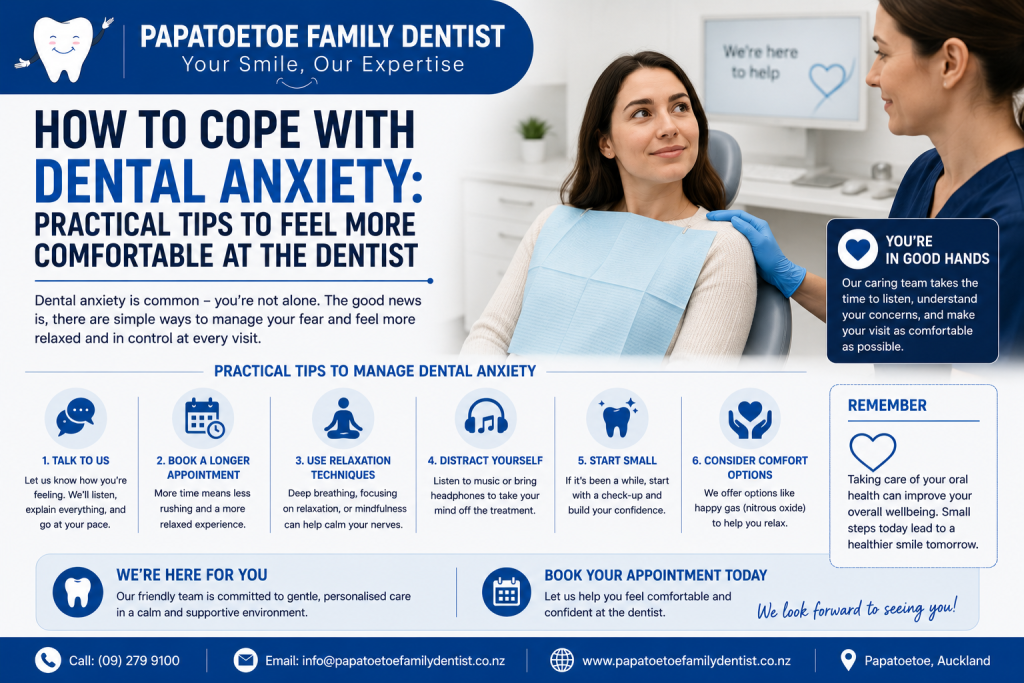
Feeling nervous before a dental appointment is completely normal. In fact, dental anxiety affects millions of people worldwide and is one of the most common reasons people delay or avoid dental treatment. Unfortunately, postponing dental care often leads to more serious oral health problems that require more complex treatment.
If you’re wondering how to cope with dental anxiety, the good news is that there are many effective strategies that can help you feel calmer and more confident before and during your dental visit.
In this guide, we’ll explore the causes of dental anxiety, practical coping techniques, and how modern dentistry makes treatment more comfortable than ever before.
What Is Dental Anxiety?
Dental anxiety is a feeling of fear, stress, or nervousness related to visiting the dentist or receiving dental treatment.
It can range from mild uneasiness before an appointment to severe dental phobia, where a person avoids dental care altogether.
The important thing to remember is that you’re not alone—many people experience similar feelings.
What Causes Dental Anxiety?
Dental anxiety can develop for several reasons.
Previous Negative Experiences
A painful or unpleasant dental visit in the past can make future appointments feel stressful.
Fear of Pain
Many people worry that dental treatment will be painful, even though modern techniques and local anaesthetics have made most procedures much more comfortable.
Loss of Control
Lying back in the dental chair while someone works in your mouth can make some patients feel vulnerable.
Sounds and Smells
The sound of dental instruments or the smell of a dental clinic can trigger anxiety in some individuals.
Fear of Needles
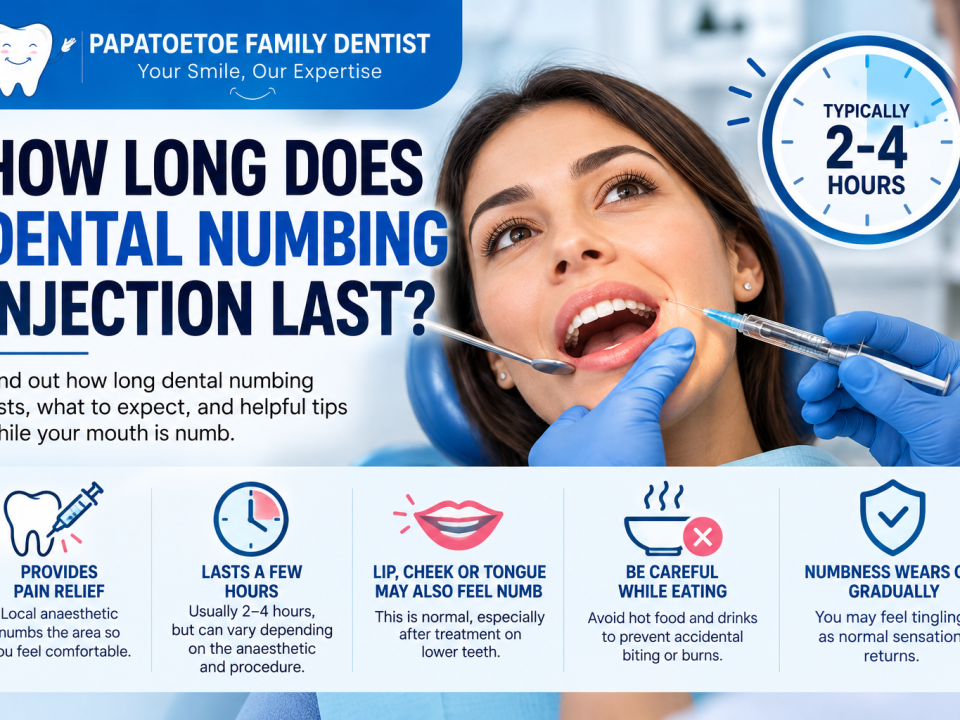
Concern about injections is another common cause of dental anxiety, although many patients report that modern numbing techniques make injections much easier than expected.
Signs of Dental Anxiety
Common symptoms include:
Racing heartbeat
Sweating
Difficulty sleeping before appointments
Feeling tense
Upset stomach
Crying or panic
Avoiding dental visits altogether
Recognising these symptoms is the first step toward managing them.
How to Cope With Dental Anxiety
- Tell Your Dentist About Your Anxiety
One of the best things you can do is be honest with your dentist.
Most dentists regularly treat anxious patients and can adjust their approach to help you feel more comfortable.
They may:
Explain each step before beginning
Take frequent breaks
Move at a pace you’re comfortable with
Use gentle communication throughout the appointment
- Schedule Morning Appointments
Many people find it easier to attend appointments early in the day.
Morning visits reduce the amount of time spent worrying beforehand and can help you feel more relaxed.
- Practice Deep Breathing
Slow, controlled breathing can calm your body’s stress response.
Try this simple technique:
Breathe in slowly through your nose for four seconds.
Hold your breath for four seconds.
Exhale slowly through your mouth for six seconds.
Repeat several times before and during your appointment.
- Bring Headphones or Music
Listening to calming music, podcasts, or audiobooks can distract you from dental sounds and help you relax.
Ask your dental clinic if headphones are allowed during treatment.
- Agree on a Stop Signal
Many patients feel more comfortable knowing they can pause treatment whenever they need to.
Before the procedure, agree on a simple hand signal with your dentist to indicate when you’d like a short break.
- Bring Someone You Trust
If it helps, ask a family member or friend to accompany you to your appointment.
Having support can reduce stress before and after treatment.
- Avoid Caffeine Before Your Appointment
Coffee, energy drinks, and excessive caffeine can increase feelings of nervousness and make anxiety symptoms worse.
Instead, drink water and eat a light meal unless instructed otherwise.
- Start With a Simple Appointment
If you’ve been avoiding the dentist for years, consider scheduling only:
A consultation
A dental examination
A discussion about treatment
Taking small steps can help rebuild confidence.
Can Sedation Help?
For patients with moderate to severe dental anxiety, some dentists offer sedation options.
Depending on the procedure and your individual needs, these may include:
Nitrous oxide (laughing gas)
Oral sedation
Intravenous (IV) sedation
Your dentist will explain which options are available and appropriate for your situation.
Modern Dentistry Is More Comfortable Than Ever
Many people fear dentistry based on outdated experiences.
Today’s dental practices use:
Modern local anaesthetics
Gentle treatment techniques
Advanced digital technology
Improved pain management
Comfortable treatment environments
Most routine procedures are far more comfortable than many patients expect.
Why You Shouldn’t Delay Dental Care
Avoiding dental visits may allow small problems to become larger ones.
Regular check-ups help prevent:
Tooth decay
Gum disease
Tooth loss
Dental infections
Costly emergency treatments
Early treatment is usually quicker, simpler, and less invasive.
Building Long-Term Confidence
Each positive dental experience helps reduce anxiety over time.
By attending regular appointments, many patients gradually become more comfortable with dental care and find future visits much less stressful.
Dental clinics such as Papatoetoe Family Dentist understand that dental anxiety is common and aim to create a calm, welcoming environment where patients feel listened to, respected, and supported throughout their treatment.
Frequently Asked Questions
Is dental anxiety common?
Yes. Dental anxiety affects many children and adults and is one of the most common reasons people avoid dental treatment.
Can dentists help anxious patients?
Absolutely. Most dentists regularly care for nervous patients and can adapt their approach to improve comfort.
Is sedation available for dental anxiety?
Many clinics offer sedation options for suitable patients, depending on the treatment and medical history.
Will avoiding the dentist make anxiety better?
Usually not. Delaying treatment often leads to bigger dental problems, which may increase anxiety in the future.
Final Thoughts
If you’re wondering how to cope with dental anxiety, remember that you’re not alone, and help is available. Speaking openly with your dentist, using relaxation techniques, and taking small, manageable steps can make a significant difference.
Modern dentistry focuses on patient comfort, and with the right support, even the most anxious patients can receive the care they need to maintain a healthy smile.