What Tools Do Dentists Use to Clean Teeth? A Complete Guide

How Long Does Cleaning Take at the Dentist? A Complete Time Breakdown
March 10, 2026What Is a Dental Infection? Causes, Symptoms, Treatment & Prevention
April 20, 2026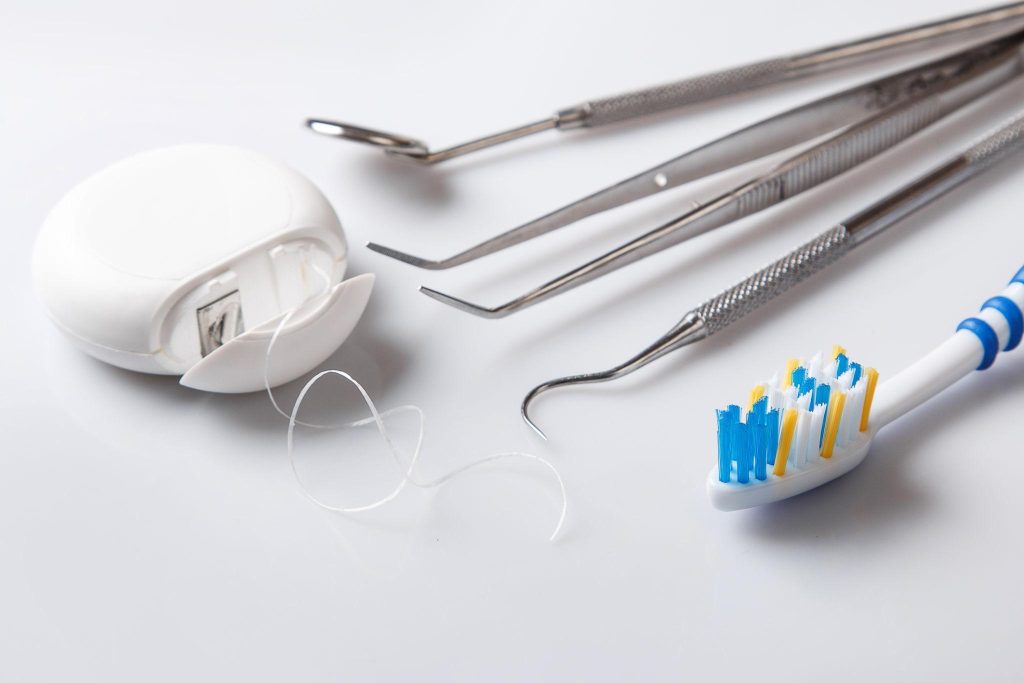
Professional teeth cleaning is one of the most important dental procedures for maintaining healthy teeth and gums. Many patients wonder what actually happens during a dental cleaning and, more specifically, what tools dentists use to clean teeth.
In this blog, we’ll walk you through the exact dental instruments used during a professional cleaning, explain how they work, and why each tool is essential for keeping your smile healthy and disease-free.
Why Professional Teeth Cleaning Is Important
Even with regular brushing and flossing, plaque and tartar can still build up in hard-to-reach areas. Over time, this buildup can lead to:
-
Gum disease
-
Tooth decay
-
Bad breath
-
Tooth loss
Professional dental cleanings remove hardened deposits and bacteria that home care alone cannot eliminate.
What Happens During a Dental Cleaning?
A standard dental cleaning usually includes:
-
Oral examination
-
Plaque and tartar removal
-
Deep cleaning around the gumline
-
Polishing and flossing
Each step requires specific dental tools designed for safety, precision, and comfort.
Common Tools Dentists Use to Clean Teeth
1. Dental Mirror
The dental mirror is one of the most basic but essential tools.
Purpose:
-
Helps the dentist see hard-to-reach areas
-
Allows examination behind teeth and along the gumline
-
Reflects light for better visibility
Dental mirrors ensure that no plaque or tartar is missed during cleaning.
2. Dental Probe (Explorer)
A dental probe is a thin, pointed instrument.
Used to:
-
Detect plaque and tartar buildup
-
Check gum pockets
-
Identify early signs of decay or gum disease
This tool helps dentists assess your overall oral health before cleaning begins.
3. Ultrasonic Scaler
The ultrasonic scaler is one of the most important tools for teeth cleaning.
How it works:
-
Uses high-frequency vibrations
-
Breaks down hardened tartar (calculus)
-
Sprays water to flush away debris and bacteria
Benefits:
-
Faster than manual scaling
-
More comfortable for many patients
-
Highly effective for heavy tartar buildup
4. Hand Scalers
Hand scalers are metal instruments with curved or pointed tips.
Purpose:
-
Remove remaining tartar after ultrasonic scaling
-
Clean small, precise areas
-
Smooth tooth surfaces
Dentists often combine ultrasonic and hand scalers for thorough cleaning.
5. Curettes
Curettes are specially designed tools used for deep cleaning below the gumline.
They are used to:
-
Remove bacteria from periodontal pockets
-
Treat early gum disease
-
Smooth root surfaces
Curettes are especially important for patients with gingivitis or mild periodontitis.
6. Air Polishing Tool
Air polishing is a modern cleaning technique.
How it works:
-
Uses a mix of air, water, and fine powder
-
Gently removes surface stains
-
Polishes teeth efficiently
This tool is excellent for removing stains caused by coffee, tea, or smoking.
7. Prophy Cup and Polishing Paste
After scaling, teeth are polished using a rotating rubber cup and special paste.
Benefits:
-
Smooths tooth surfaces
-
Removes minor stains
-
Makes it harder for plaque to stick
Polishing leaves teeth feeling smooth and clean.
8. Dental Floss
Professional flossing ensures all debris is removed between teeth.
Dentists use floss to:
-
Clear remaining plaque
-
Check gum sensitivity
-
Demonstrate proper flossing technique
9. Suction Device (Saliva Ejector)
This tool keeps the mouth dry during cleaning.
Purpose:
-
Removes saliva and water
-
Improves comfort
-
Keeps the working area clean
10. Antibacterial Rinse
Some cleanings end with a medicated or antibacterial rinse.
Benefits:
-
Reduces bacteria
-
Freshens breath
-
Soothes gums
Do These Tools Hurt?
Most dental cleaning tools are not painful. You may feel:
-
Mild vibration
-
Slight pressure
-
Temporary sensitivity
If gums are inflamed or tartar buildup is heavy, mild discomfort is possible—but it’s temporary and prevents future pain.
How Often Should Teeth Be Professionally Cleaned?
For most people:
-
Every 6 months is ideal
You may need more frequent cleanings if you have:
-
Gum disease
-
Heavy tartar buildup
-
Smoking habits
-
Diabetes
Clinics like Papatoetoe Family Dentist tailor cleaning tools and techniques based on individual oral health needs.
Benefits of Professional Teeth Cleaning
✔ Prevents gum disease
✔ Reduces tooth decay risk
✔ Removes stubborn stains
✔ Improves breath
✔ Detects dental problems early
Frequently Asked Questions (FAQs)
Can brushing replace professional cleaning?
No. Brushing cannot remove hardened tartar.
Are ultrasonic scalers safe?
Yes, they are safe and widely used in modern dentistry.
How long does a teeth cleaning take?
Usually 30–60 minutes, depending on buildup.
Is polishing necessary?
Yes, polishing smooths teeth and helps prevent plaque buildup.
Final Thoughts
Understanding what tools dentists use to clean teeth can help reduce anxiety and highlight the importance of professional dental care. Each tool plays a specific role in removing plaque, preventing disease, and keeping your smile healthy.
Regular cleanings, combined with good home care, are the foundation of long-term oral health.