How to Get Free Dental Care When Pregnant in New Zealand

Are Dental Implants Strong? Everything You Need to Know About Their Strength and Durability
October 23, 2026
How to Remove a Ring with Dental Floss: A Step-by-Step Guide
October 23, 2026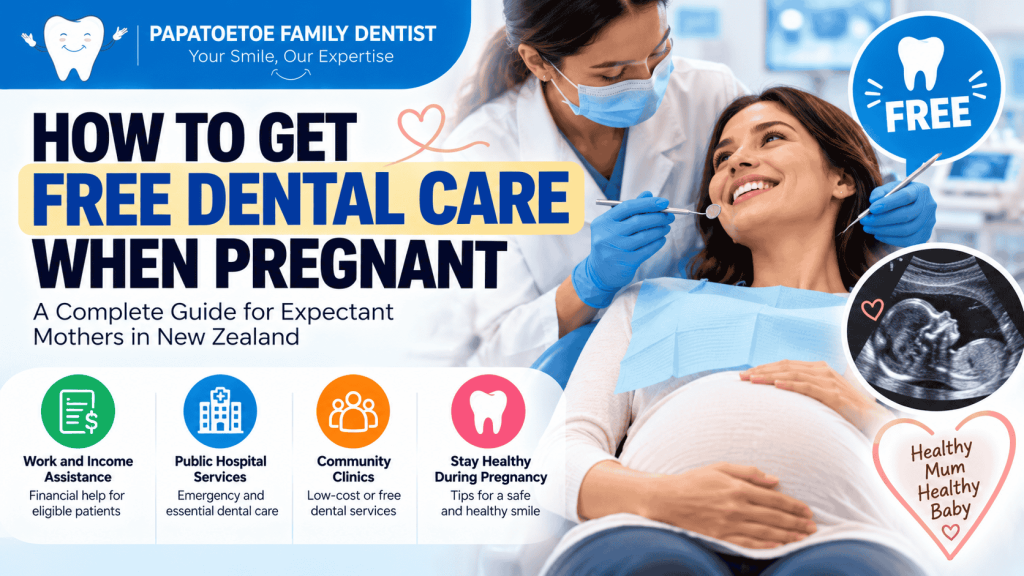
Pregnancy is an important time to look after your overall health, including your teeth and gums. Hormonal changes, morning sickness, changes in eating habits, and increased acidity in the mouth can affect oral health during pregnancy. However, the cost of dental treatment can sometimes make it difficult for expectant mothers to get the care they need.
If you are pregnant and wondering how to get free dental care, there are several options worth exploring. Depending on your circumstances, you may qualify for financial assistance, emergency dental treatment, or support through public health services.
In New Zealand, pregnancy does not automatically make all adult dental treatment free. Most routine dental services for adults are privately funded, but eligible people may be able to receive help with urgent and essential treatment.
In this guide, we explain how to find affordable or free dental care during pregnancy, where to ask for financial support, which treatments may be available, and how to protect your oral health while preparing for your baby’s arrival.
Is Dental Care Free During Pregnancy in New Zealand?
One of the most common questions expectant mothers ask is whether dental treatment is automatically free during pregnancy.
The answer is not usually. Unlike many maternity services available to eligible pregnant people, most adult dental services in New Zealand are not automatically funded by the government simply because someone is pregnant.
However, there may be options if you have a low income, a Community Services Card, or an urgent dental problem that requires essential treatment.
Depending on your eligibility and circumstances, possible options include:
- Financial assistance from Work and Income New Zealand (WINZ).
- Emergency dental services available through some public health services.
- Hospital dental services for eligible patients who meet the relevant criteria.
- Community dental clinics or charitable organisations that offer low-cost services.
- Private dental practices that offer payment plans or other payment arrangements.
Eligibility, available treatments, and financial support can vary. It is important to contact the relevant service directly to find out what assistance is available for your situation.
1. Contact Work and Income New Zealand for Dental Treatment Assistance
If you are pregnant and cannot afford necessary dental treatment, Work and Income New Zealand may be able to help if you meet the eligibility criteria.
Financial assistance may be available for immediate and essential dental treatment, such as treatment for a dental infection, certain fillings, or tooth extractions.
You do not necessarily have to be receiving a benefit to qualify. However, assistance depends on your financial circumstances, residency and other eligibility requirements, the urgency of your dental needs, and the treatment recommended.
What Dental Treatment May Be Covered?
Depending on your circumstances, eligible treatment may include:
- Treatment for a dental infection.
- Certain tooth fillings.
- Tooth extractions.
- Other immediate and essential dental treatment approved under the relevant assistance rules.
Routine check-ups, cosmetic dentistry, and ordinary cleaning are generally not covered by this particular assistance. Other exclusions and conditions may apply.
How to Apply for Assistance
Follow these steps to explore your options:
- Arrange a dental assessment so a dentist can identify the problem and recommend the necessary treatment.
- Explain that you are pregnant and experiencing financial difficulties.
- Ask for information about the proposed treatment and its cost.
- Contact Work and Income to check whether you qualify for assistance.
- Follow their instructions about the application process and any information or documents required.
Do not assume that treatment will be paid for automatically. Confirm your eligibility and the approved amount before proceeding whenever possible.
If you have severe dental pain or signs of infection, seek prompt dental advice rather than delaying care while arranging financial assistance.
2. Check Whether You Qualify for a Community Services Card
A Community Services Card can help eligible people access certain health services at a lower cost.
If you already have a Community Services Card, or think you may qualify for one, ask about the dental services available in your area.
Some adults with a Community Services Card may be eligible for emergency dental treatment through public hospital services. Availability and treatment options depend on local arrangements and clinical eligibility.
How to Find Out What Is Available
You can take the following steps:
- Check whether you qualify for a Community Services Card.
- Contact your local public hospital or relevant health service to ask about adult emergency dental care.
- Explain that you are pregnant, describe your symptoms, and mention your financial circumstances.
- Ask whether a referral is required and which treatments are available.
- Confirm whether any charges apply before your appointment.
A Community Services Card does not automatically provide free access to every dental service. Routine examinations, cosmetic procedures, and many other adult dental treatments may still involve fees.
3. Ask About Public Hospital Dental Services
Some people who cannot afford private dental treatment may be able to access emergency or essential dental care through public health services.
These services are generally limited and are not a replacement for comprehensive private dental care.
If you are pregnant and experiencing a dental emergency, contact your local public hospital or Health New Zealand service to ask where you should seek treatment.
Depending on your circumstances, a clinician may recommend an assessment, provide advice, or direct you to an appropriate dental service.
When Should You Seek Urgent Dental Care?
Contact a dentist promptly if you experience:
- Severe or persistent toothache.
- Swelling around a tooth or in your gums.
- Pain when chewing.
- A broken tooth causing significant discomfort.
- Signs of a dental infection.
- Bleeding or swelling in your gums that is worsening.
Facial swelling that is spreading, difficulty swallowing, difficulty breathing, or swelling that affects your ability to open your mouth can indicate a serious problem. Seek emergency medical care immediately if these symptoms occur.
Do not wait until after your baby is born to seek help for a potentially serious dental problem.
4. Look for Community Dental Clinics and Charitable Services
Depending on where you live, community organisations, charitable services, or local dental initiatives may offer affordable dental assessments or limited treatment.
Availability varies by location, and some services may prioritise people experiencing financial hardship or those with urgent dental needs.
When contacting a community clinic, explain your situation clearly. Let them know that you are pregnant, whether you have dental pain, and whether you can afford private treatment.
Ask the clinic:
- Do you provide dental care for pregnant patients?
- Are free or subsidised appointments available?
- Do I need a referral?
- Which treatments can you provide?
- Is there a waiting list?
- Do I need to provide proof of income or eligibility?
It is worth contacting more than one service if the first clinic cannot offer an appointment. Your midwife, general practitioner, or local health service may also be able to suggest suitable services in your area.
5. Ask Your Private Dentist About Payment Options
If you do not qualify for government assistance or cannot access a public service, you may still be able to receive treatment through a private dental practice.
Many dental practices charge fees for adult dental services, and costs can vary depending on the treatment required.
Before booking, explain that you are pregnant and concerned about treatment costs. Ask for an estimate and whether the practice offers payment plans, staged treatment, or other arrangements.
You can also ask whether the dentist can prioritise urgent treatment first and discuss the timing of any non-urgent procedures.
A written treatment plan can help you understand the recommended care, likely costs, and available alternatives.
Do not postpone necessary treatment solely because you are pregnant or worried about the cost. Tell the dental team about your financial concerns so they can discuss practical options with you.
6. Is It Safe to Visit the Dentist While Pregnant?
Yes. Routine dental examinations, professional cleaning, and many necessary dental treatments can be provided safely during pregnancy.
Pregnancy is not a reason to avoid dental care. In fact, maintaining good oral health is important because untreated dental problems can become more complicated if they are left unaddressed.
Tell your dentist that you are pregnant, how many weeks pregnant you are, and whether your pregnancy involves any medical complications.
Your dentist can then assess your needs and plan appropriate care.
What About Dental X-Rays?
Dental X-rays may be recommended when they are clinically necessary to diagnose a dental problem. Your dentist will consider the benefits and risks and follow appropriate radiation-safety procedures.
Do not refuse necessary diagnostic care without discussing your concerns with your dental professional.
What About Local Anaesthesia?
Local anaesthesia can be used for many dental procedures during pregnancy when clinically appropriate. Your dentist will choose suitable medication and take your medical history into account.
Always tell the dentist about medications you take, allergies, pregnancy-related conditions, and advice you have received from your maternity care provider.
When Is the Best Time for Dental Treatment?
Necessary dental care can be provided at different stages of pregnancy. The timing of planned treatment depends on your symptoms, the procedure, and your individual circumstances.
Some non-urgent procedures may be easier to schedule during the second trimester, but urgent treatment should not be delayed simply because you are in your first or third trimester.
Your dentist can explain the most appropriate timing for your needs.
7. Why Is Oral Health Important During Pregnancy?
Pregnancy can bring changes that affect your teeth and gums. Paying attention to oral health can help prevent discomfort and reduce the risk of dental problems.
Pregnancy Gingivitis
Hormonal changes can make your gums more sensitive to plaque. You may notice redness, swelling, or bleeding when brushing.
This condition is often called pregnancy gingivitis. Good oral hygiene and professional dental care can help manage it.
If your gums bleed regularly or become painful and swollen, arrange a dental assessment rather than stopping brushing.
Tooth Decay
Changes in eating habits, frequent snacking, and difficulty maintaining a normal routine can increase the risk of tooth decay.
Morning sickness may also expose the teeth to stomach acid, which can weaken enamel.
To help protect your teeth, brush twice daily with fluoride toothpaste, clean between your teeth daily, and limit frequent sugary snacks and drinks.
Tooth Enamel Erosion
Repeated vomiting can expose your teeth to acid, increasing the risk of enamel erosion.
If you experience morning sickness, rinse your mouth with water after vomiting. Wait approximately 30 minutes before brushing, as brushing immediately can damage enamel that has temporarily softened from acid exposure.
Gum Disease
Persistent gum inflammation should not be ignored. A dental professional can assess your gums and recommend suitable treatment.
Maintaining oral health during pregnancy is part of caring for your overall wellbeing.
8. How to Look After Your Teeth When You Cannot Afford Dental Treatment
If you are waiting for an appointment or arranging financial support, daily oral hygiene can help reduce your risk of further problems. However, home care cannot replace treatment for an infection, severe decay, or another significant dental condition.
Here are some practical steps you can follow.
Brush twice daily. Use a soft-bristled toothbrush and fluoride toothpaste. Brush gently along the gumline.
Clean between your teeth. Use dental floss or interdental brushes daily to remove plaque from areas your toothbrush may miss.
Drink water regularly. Water helps keep your mouth hydrated and is a good choice between meals.
Reduce frequent sugar intake. Limit sugary snacks, sweets, and drinks, especially between meals.
Manage morning sickness carefully. Rinse your mouth with water after vomiting and wait before brushing.
Do not self-medicate. Check with your dentist, midwife, or doctor before taking painkillers, antibiotics, or other medicines during pregnancy.
Seek help early. A small dental problem may become more difficult and expensive to treat if it progresses.
If you develop swelling, fever, severe pain, or other concerning symptoms, contact a healthcare professional promptly.
9. What Should You Tell Your Dentist Before Treatment?
Before any dental procedure, provide your dentist with relevant information about your pregnancy and general health.
Tell them:
- How many weeks pregnant you are.
- Whether your pregnancy is considered high-risk.
- Any medical conditions you have.
- All medications and supplements you take.
- Any known allergies.
- Whether you have experienced pregnancy-related complications.
- Whether you have been advised to take any special precautions.
This information helps the dental team assess your needs and plan suitable treatment.
If your midwife or doctor has given you specific medical advice, share that information with your dentist as well.
10. A Simple Action Plan for Pregnant Women Seeking Free Dental Care
If you are unsure where to begin, use this simple plan.
Step 1: Identify the problem. Note your symptoms, when they started, and whether you have pain, swelling, or bleeding.
Step 2: Contact a dental professional. Request an assessment and explain that you are pregnant.
Step 3: Ask about financial assistance. Contact Work and Income if you need immediate and essential treatment and cannot afford the cost.
Step 4: Check public services. Ask your local hospital or Health New Zealand service whether emergency dental care is available and whether you meet the criteria.
Step 5: Explore community options. Contact local clinics or support organisations that may offer reduced-cost treatment.
Step 6: Confirm costs and eligibility. Before proceeding, ask which services are covered, what you may need to pay, and whether a referral or supporting documents are required.
Step 7: Keep up with oral hygiene. Continue brushing, cleaning between your teeth, and following your dentist’s advice while you arrange treatment.
Remember that free dental care is not guaranteed for every pregnant person in New Zealand. However, asking about available support can help you find a suitable and affordable way to receive necessary care.
Conclusion
Getting dental care during pregnancy is important for protecting your teeth, gums, and overall wellbeing. Although most adult dental treatment in New Zealand is not automatically free during pregnancy, financial assistance and limited public dental services may be available to eligible people.
If you are struggling with dental costs, consider contacting Work and Income, checking your eligibility for a Community Services Card, asking about public hospital dental services, and exploring community clinics or private-practice payment options.
Most importantly, do not ignore dental pain, swelling, or signs of infection while waiting for financial support. Many dental examinations and necessary treatments can be provided safely during pregnancy, with appropriate clinical care.
At Papatoetoe Family Dentist, we encourage expectant mothers to take their oral health seriously and seek professional advice when concerns arise. Understanding your options can help you make informed decisions and maintain a healthier smile throughout pregnancy.
Frequently Asked Questions
1. Can I get free dental care when pregnant in New Zealand?
Pregnancy alone does not automatically qualify you for free adult dental treatment. Depending on your circumstances, you may be eligible for financial assistance through Work and Income, certain public hospital dental services, or community-based support.
2. Does Work and Income help pregnant women pay for dental treatment?
Work and Income may help eligible people pay for immediate and essential dental treatment. Eligibility depends on the relevant criteria and individual circumstances. You do not necessarily have to receive a benefit to qualify.
3. Can I visit a dentist during my first trimester?
Yes. Dental examinations and necessary treatment can be provided during the first trimester when clinically appropriate. Tell your dentist that you are pregnant so they can plan your care accordingly.
4. Is dental anaesthesia safe during pregnancy?
Local anaesthesia can be used for many dental procedures during pregnancy when appropriate. Your dentist will consider your medical history, the treatment required, and the medicines being used.
5. What should I do if I have a toothache during pregnancy but cannot afford treatment?
Contact a dentist promptly and explain both your symptoms and financial circumstances. Ask about urgent care, Work and Income assistance, public hospital services, and affordable payment arrangements. Seek emergency medical care if you develop difficulty breathing or swallowing or rapidly spreading facial swelling.
6. Will a Community Services Card make all dental treatment free?
No. A Community Services Card may provide access to certain subsidised services or emergency dental care, depending on eligibility and local arrangements. It does not automatically cover all adult dental treatment.
7. Can I wait until after giving birth to treat a dental problem?
It depends on the problem. Some non-urgent procedures may be postponed if your dentist recommends it, but infections, severe pain, and other urgent conditions should be assessed promptly. Always seek professional advice before delaying treatment.
8. How can I protect my teeth during pregnancy?
Brush twice daily with fluoride toothpaste, clean between your teeth daily, limit frequent sugary snacks and drinks, rinse with water after vomiting, and attend dental appointments when needed. Contact a dental professional if you experience persistent gum bleeding, swelling, or tooth pain.