How to Remove Tartar from Teeth Without a Dentist
What Causes Dental Caries?
July 24, 2025How Long Do Dental Implants Take to Heal?
December 24, 2025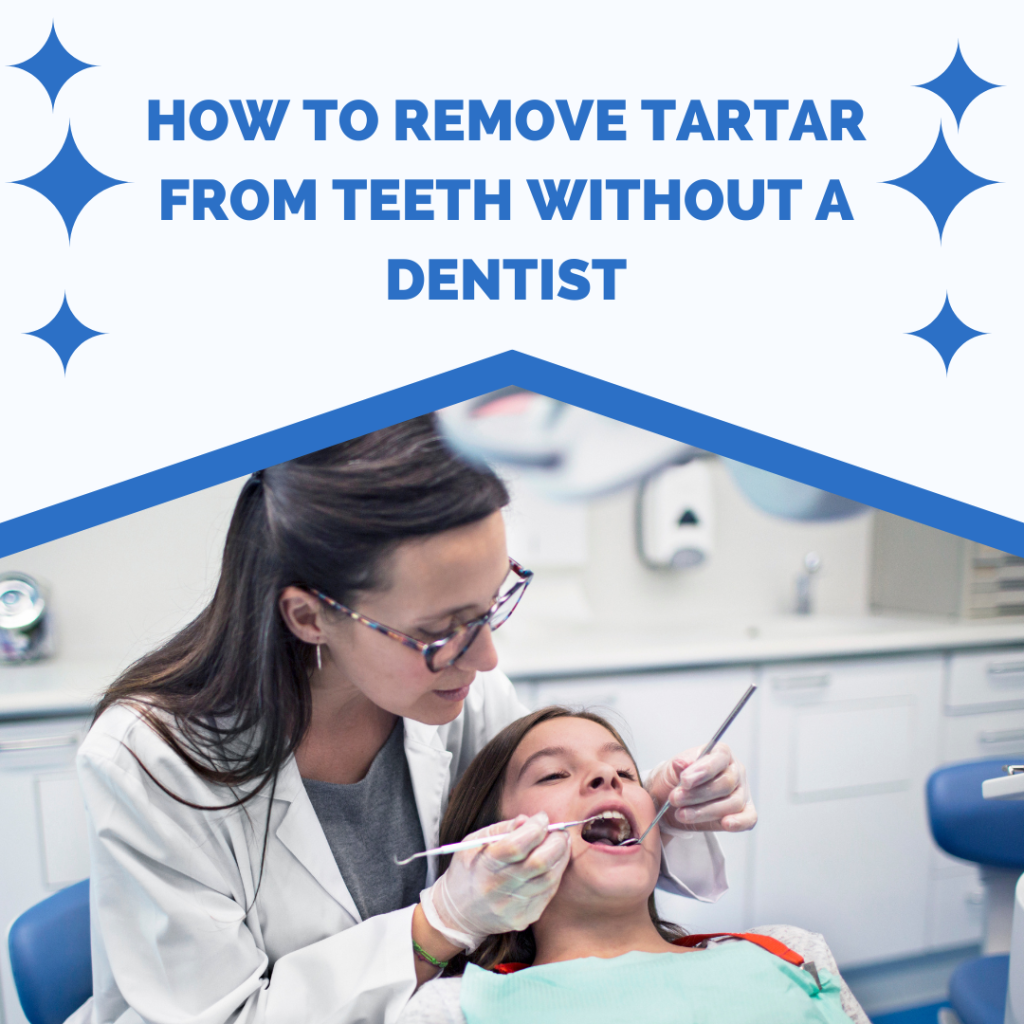
Tartar buildup on teeth is a common dental problem that many people face. If left untreated, tartar can lead to gum disease, bad breath, tooth decay, and even tooth loss. While professional dental cleaning is the most effective solution, many people look for ways to reduce or manage tartar at home before visiting a dentist.
At Papatoetoe Family Dentist, we believe that good oral hygiene starts at home. In this blog, we’ll explain what tartar is, why it forms, and safe ways to control tartar buildup without visiting a dentist, along with important precautions you should know.
What Is Tartar and Why Does It Form?
Tartar, also known as dental calculus, is hardened plaque that sticks firmly to your teeth. Plaque is a sticky film of bacteria that forms on teeth when food particles mix with saliva. If plaque is not removed through proper brushing and flossing, it hardens into tartar within 24–72 hours.
Once tartar forms, it cannot be removed by normal brushing alone. This is why prevention is the key.
Common Causes of Tartar Buildup
- Poor brushing habits
- Skipping flossing
- High sugar or starchy diet
- Smoking or tobacco use
- Not visiting a dentist regularly
Can You Remove Tartar Without a Dentist?
It’s important to be honest: fully removing hardened tartar at home is very difficult and sometimes unsafe. However, you can:
- Reduce early-stage tartar
- Prevent plaque from turning into tartar
- Slow down further buildup
These methods work best when tartar is minimal or newly formed.
Effective Ways to Reduce Tartar at Home
1. Brush Properly Twice a Day
Brushing correctly is the first line of defense against tartar.
Tips:
- Use a soft-bristled toothbrush
- Brush for at least 2 minutes
- Hold the brush at a 45-degree angle
- Clean along the gum line gently
Electric toothbrushes can be more effective at removing plaque compared to manual ones.
2. Use Tartar Control Toothpaste
Special tartar-control toothpaste contains ingredients that slow down plaque hardening.
Benefits:
- Reduces mineral buildup
- Strengthens enamel
- Helps prevent new tartar formation
At Papatoetoe Family Dentist, we often recommend tartar-control toothpaste as part of daily oral care.
3. Floss Daily (Non-Negotiable)
Flossing removes plaque from places where brushes can’t reach.
Why it matters:
- Prevents plaque between teeth
- Reduces gum inflammation
- Stops tartar formation under the gum line
Make flossing a daily habit, especially before bedtime.
4. Baking Soda for Plaque Control
Baking soda has mild abrasive and antibacterial properties.
How to use:
- Mix baking soda with a little water
- Brush gently once or twice a week
- Do not scrub hard
This helps reduce plaque but should not replace toothpaste.
5. Oil Pulling
Oil pulling is an ancient practice that may help reduce bacteria in the mouth.
How it works:
- Swish coconut oil in your mouth for 10–15 minutes
- Spit it out and rinse thoroughly
- Brush afterward
While oil pulling doesn’t remove hardened tartar, it may help control plaque buildup.
6. Rinse with Antibacterial Mouthwash
Mouthwash helps kill bacteria that cause plaque.
Choose a mouthwash that:
- Is alcohol-free
- Contains antibacterial ingredients
- Supports gum health
Using mouthwash after brushing and flossing can improve overall oral hygiene.
7. Maintain a Tartar-Reducing Diet
What you eat affects your teeth more than you think.
Foods that help:
- Crunchy fruits and vegetables (apples, carrots)
- Cheese and yogurt
- Green leafy vegetables
Foods to limit:
- Sugary snacks
- Soft drinks
- Sticky foods
A balanced diet supports healthy teeth and gums.
What NOT to Do at Home
Many online sources suggest unsafe practices. Avoid these methods:
- ❌ Using sharp tools to scrape teeth
- ❌ Metal dental picks without training
- ❌ Overusing abrasive powders
- ❌ Scrubbing aggressively
These can damage enamel and gums permanently.
When Home Methods Are Not Enough
If tartar is visible, yellow or brown, or causing bleeding gums, professional cleaning is necessary. Hardened tartar below the gum line cannot be removed safely at home.
At Papatoetoe Family Dentist, professional scaling and polishing remove tartar completely and protect your gums from long-term damage.
How to Prevent Tartar in the Future
- Brush twice daily
- Floss every day
- Use tartar-control products
- Avoid smoking
- Schedule regular dental check-ups
Prevention is always easier and more affordable than treatment.
Final Thoughts
While you can’t completely remove hardened tartar without a dentist, consistent home care can significantly reduce plaque and prevent tartar formation. Good oral hygiene habits go a long way in keeping your smile healthy.
For safe, effective, and long-lasting results, Papatoetoe Family Dentist recommends combining proper home care with regular professional dental visits to protect your teeth and gums.
