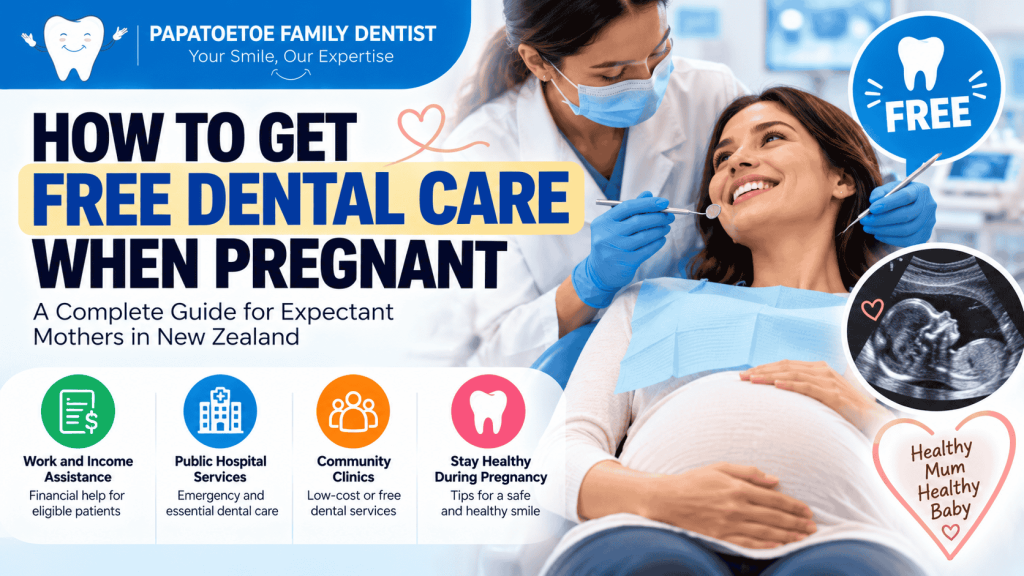
Are Dental Implants Strong? Everything You Need to Know About Their Strength and Durability

What to Study to Become a Dentist: A Complete Guide for Students in New Zealand
October 23, 2026
How to Get Free Dental Care When Pregnant in New Zealand
October 23, 2026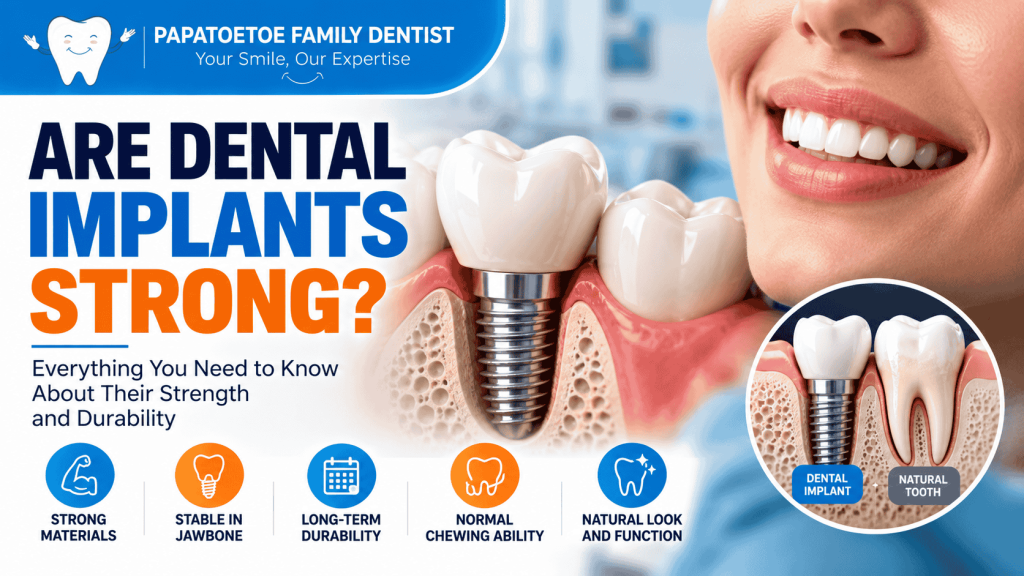
Dental implants are a popular solution for replacing missing teeth, helping people restore their smiles, chewing ability, and confidence. However, before choosing this treatment, many patients have an important question: Are dental implants strong enough to function like natural teeth?
The short answer is yes. Dental implants are designed to withstand normal chewing forces when they are properly placed, allowed to heal, and maintained with good oral hygiene. They are typically made from strong, biocompatible materials such as titanium, while the artificial tooth attached to the implant is commonly made from ceramic or other restorative materials.
Although dental implants are known for their durability, they are not indestructible. Their long-term performance depends on several factors, including jawbone health, gum health, oral hygiene, lifestyle habits, and the quality of the final restoration.
In this guide, we will explain how strong dental implants are, what makes them durable, how long they can last, and what you can do to protect your investment in your oral health.
What Are Dental Implants?
Dental implants are artificial tooth roots used to replace missing teeth. They are placed into the jawbone, where they heal and become anchored by the surrounding bone. Once healing is complete, an artificial tooth can be attached to restore the appearance and function of the missing tooth.
A typical dental implant restoration consists of three main components.
- Implant fixture: A small post, usually made from titanium or a titanium alloy, that is placed in the jawbone.
- Abutment: A connector that attaches the replacement tooth to the implant.
- Dental crown: The visible artificial tooth, designed to resemble a natural tooth in shape, colour, and function.
These components work together to create a stable tooth replacement. Unlike removable dentures, an implant-supported tooth is anchored in the jaw rather than resting only on the gums.
This design helps provide stability during everyday activities such as speaking and chewing. Dental implants can replace a single missing tooth, support a bridge for several missing teeth, or help stabilise certain types of dentures.
How Strong Are Dental Implants Compared with Natural Teeth?
Dental implants are strong and can provide excellent chewing function. However, comparing them directly with natural teeth is not always straightforward because they are built differently.
Natural teeth have roots connected to the surrounding bone through a specialised ligament. This ligament provides a small amount of movement and helps the body sense pressure during biting.
Dental implants, on the other hand, become integrated directly with the jawbone through a process known as osseointegration. They do not have the same ligament system as natural teeth.
This difference means implants can feel stable and function effectively, but they do not respond to pressure in exactly the same way as natural teeth.
A properly restored dental implant can handle many everyday foods and normal chewing forces. Nevertheless, the amount of force an implant can tolerate depends on its position, the quality of the supporting bone, the type of crown, and the patient’s bite.
Patients should not assume that implants are completely immune to damage simply because the implant post itself is made from a strong material.
What Makes Dental Implants So Strong?
Several factors contribute to the strength and durability of dental implants.
1. Strong and Biocompatible Materials
Most conventional dental implants are manufactured from titanium or titanium alloys. These materials are widely used because they combine mechanical strength with good compatibility with the body’s tissues.
Some implant systems use zirconia, a ceramic material, as an alternative.
The choice of material depends on the implant system, the patient’s needs, and the treating dentist’s clinical assessment.
The material provides the structural foundation, but strength alone does not determine success. The implant must also heal properly and remain supported by healthy bone and gums.
2. Integration with the Jawbone
One of the most important reasons dental implants are stable is osseointegration.
After an implant is placed, the surrounding bone gradually bonds with its surface. This healing process creates a firm foundation for the replacement tooth.
Osseointegration usually takes several months, although the exact healing period varies from patient to patient.
During this time, the dentist may recommend avoiding certain foods or excessive pressure on the implant. Following these instructions helps protect the healing area.
If the implant does not integrate properly with the bone, it may become loose or fail to provide the required support.
3. A Custom-Made Dental Crown
The crown attached to an implant is designed to restore the appearance and function of the missing tooth.
Dentists consider factors such as the position of the implant, the patient’s bite, the shape of the tooth, and the materials used when planning the restoration.
A well-designed crown distributes chewing forces appropriately and helps the implant function comfortably.
However, crowns can experience wear, chipping, or other mechanical problems over time. In some cases, the crown may need repair or replacement even when the implant fixture remains firmly anchored in the jawbone.
4. Proper Placement and Treatment Planning
Correct implant placement is essential for long-term stability.
Before recommending dental implants, a dentist evaluates the patient’s oral health, available jawbone, gum condition, and bite. Imaging may be used when clinically appropriate to assess the treatment site and plan the procedure.
If there is insufficient bone or another condition that could affect stability, additional treatment may be recommended before implant placement.
Careful planning helps reduce avoidable complications and supports a more predictable outcome.
Can You Eat Normally with Dental Implants?
Yes, most patients can return to eating a wide range of foods after their dental implants have healed and the final restoration has been fitted.
Dental implants can provide stable support for chewing, allowing patients to enjoy many foods that may be difficult to manage with missing teeth or unstable dentures.
However, eating normally does not mean that every food is safe to bite into without caution.
During the healing period, you may need to eat soft foods and avoid putting excessive pressure on the treatment area. Your dentist will advise you when and how to return to your usual diet.
Even after healing, it is sensible to avoid using your teeth to crack nuts, open packaging, chew ice, or bite extremely hard objects. These habits can damage natural teeth, dental crowns, and implant restorations.
If you have a habit of grinding or clenching your teeth, tell your dentist. Excessive biting forces can place additional stress on an implant and its crown. A protective night guard may be recommended in appropriate cases.
How Long Do Dental Implants Last?
Dental implants are intended to provide a long-term solution for missing teeth. With appropriate placement, good oral hygiene, and regular professional care, an implant can remain functional for many years, and some last for decades.
However, there is no guaranteed lifespan for every implant.
Clinical studies have reported high long-term survival rates, but the results vary depending on the patient population, implant system, treatment type, and length of follow-up.
It is also important to distinguish between the implant fixture and the crown. The fixture may remain securely integrated with the bone while the crown develops wear or requires repair or replacement.
The following factors can influence how long an implant lasts:
- The quality and quantity of the supporting jawbone.
- The health of the gums around the implant.
- The patient’s oral hygiene routine.
- Smoking and other lifestyle habits.
- Conditions that may affect healing, such as poorly controlled diabetes.
- Excessive biting forces or teeth grinding.
- Regular dental check-ups and professional maintenance.
The best way to support long-term success is to follow your dentist’s care instructions and attend recommended review appointments.
Can Dental Implants Break or Become Loose?
Although dental implants are durable, complications can occur.
There are several different problems that patients may describe as an implant breaking or becoming loose.
Implant Fixture Problems
The implant fixture is the part placed inside the jawbone. If it fails to integrate properly or loses its supporting bone, it may become mobile.
Possible contributing factors include infection, poor bone healing, certain health conditions, smoking, and problems affecting the tissues around the implant.
A loose implant fixture requires prompt professional assessment.
Loose Abutment or Screw
In some implant systems, the screw connecting the components may loosen over time. Patients may notice movement in the crown or a change in how the replacement tooth feels when biting.
This does not necessarily mean the implant fixture has failed. A dentist needs to determine which component is causing the problem and provide appropriate treatment.
Damaged or Chipped Crown
The artificial tooth attached to an implant can chip, crack, or wear down. This may happen because of excessive biting pressure, teeth grinding, material wear, or other mechanical factors.
Depending on the damage, the dentist may recommend polishing, repairing, or replacing the crown.
Important: If an implant or its crown feels loose, painful, or suddenly different, do not try to tighten or repair it yourself. Arrange a dental assessment promptly.
What Factors Can Affect the Strength of Dental Implants?
Not every patient has the same conditions for implant treatment. Several factors can influence how well an implant heals and how reliably it functions over time.
Gum Health
Healthy gums and supporting bone are essential for maintaining dental implants.
Plaque can accumulate around an implant just as it can around natural teeth. If inflammation develops and remains untreated, it may progress to peri-implantitis, a condition that can damage the bone supporting the implant.
Maintaining clean teeth and gums and attending regular dental reviews are important for reducing this risk.
Bone Density and Volume
Dental implants rely on the jawbone for support. If there is insufficient bone at the treatment site, implant placement may be more complicated.
Some patients may require additional procedures, such as bone grafting, before or during implant treatment. Whether these procedures are suitable depends on the individual’s clinical situation.
Smoking
Smoking can interfere with healing and is associated with an increased risk of implant complications.
If you smoke, discuss this honestly with your dentist before treatment. They can explain how smoking may affect your individual risks and provide advice on stopping or reducing smoking around the treatment period.
Diabetes and Other Health Conditions
Certain health conditions can affect healing and the health of the tissues around an implant. Poorly controlled diabetes, for example, may increase the risk of complications.
Having a medical condition does not automatically mean that dental implants are unsuitable. Your dentist will consider your medical history and may coordinate care with your healthcare provider when necessary.
Teeth Grinding and Clenching
Repeated excessive pressure can place stress on implant crowns and connecting components.
If you grind or clench your teeth, your dentist may assess your bite and discuss ways to protect the restoration.
Oral Hygiene
Poor oral hygiene can contribute to inflammation and infection around dental implants.
Daily cleaning, suitable interdental cleaning tools, and professional maintenance help protect the gums and bone that support the implant.
How to Keep Your Dental Implants Strong and Healthy
Looking after dental implants is essential for maintaining their function over the long term.
Brush Twice a Day
Brush your teeth twice daily using a soft-bristled toothbrush and fluoride toothpaste. Clean carefully around the implant crown and gumline to help remove plaque.
Your dentist may recommend a particular toothbrush or cleaning technique based on your restoration.
Clean Between Your Teeth Daily
Food debris and plaque can collect around implant-supported teeth. Use suitable interdental brushes, floss, or other cleaning aids recommended by your dental professional.
The best tool depends on the shape of the restoration and the spaces around the implant.
Attend Regular Dental Check-Ups
Regular dental visits allow your dentist to assess the implant, crown, gums, bite, and surrounding tissues.
Professional maintenance can help identify early signs of inflammation, wear, or loose components before they become more serious problems.
Your recall schedule should be based on your oral health and individual risk factors.
Avoid Chewing Extremely Hard Objects
Do not use dental implants to crack hard shells, bite ice, open bottles, or chew non-food objects.
These habits can damage both implant restorations and natural teeth.
Wear a Night Guard If Recommended
If you grind your teeth during sleep, a dentist may recommend a custom-made night guard to help reduce excessive forces on your teeth and restorations.
Use protective appliances according to your dentist’s instructions.
Follow Post-Treatment Instructions
After implant surgery, follow your dentist’s advice regarding food, cleaning, activity, medication, and follow-up appointments.
Do not place unnecessary pressure on the implant during healing. Contact your dentist if you notice increasing pain, swelling, bleeding, or unexpected movement.
Are Dental Implants Stronger Than Dentures or Dental Bridges?
Dental implants, dentures, and dental bridges are different treatments, and each has its own benefits and limitations.
Dental implants: These are anchored in the jawbone and can provide stable support for an individual crown, a bridge, or certain dentures. They require a suitable treatment site and a surgical procedure.
Traditional dentures: These are removable appliances that rest on the gums. Their stability varies according to their design, fit, and the anatomy of the mouth. Some patients may need adjustments or adhesive products to improve comfort and retention.
Dental bridges: These replace missing teeth by attaching artificial teeth to supporting teeth or, in some cases, to dental implants. A conventional tooth-supported bridge may require the supporting teeth to be reshaped.
Dental implants often offer excellent stability for suitable patients, but they are not automatically the best option for everyone. Treatment choice depends on oral health, bone support, medical history, personal preferences, costs, and the dentist’s assessment.
A dental consultation can help you compare the available options and understand the expected benefits, risks, and maintenance requirements.
Are Dental Implants Suitable for Everyone?
Dental implants are suitable for many adults, but an individual assessment is necessary before treatment.
Your dentist will consider your gum health, jawbone condition, medical history, medications, smoking status, and ability to maintain good oral hygiene.
Some patients may need treatment for gum disease, additional bone support, or better control of an underlying health condition before implant surgery can proceed.
The dentist will also assess whether an implant is appropriate for the location of the missing tooth and whether another treatment could meet your needs more effectively.
A personalised treatment plan helps ensure that the decision is based on your oral health rather than strength alone.
Conclusion
So, are dental implants strong? Yes, dental implants are designed to provide strong, stable, and long-lasting support for replacement teeth. Their durability comes from the materials used, their integration with the jawbone, and the careful design of the final restoration.
However, no dental implant is completely immune to complications. Bone and gum health, smoking, teeth grinding, oral hygiene, and regular professional maintenance can all influence long-term outcomes.
If you are considering dental implants to replace missing teeth, speak with a qualified dental professional about your suitability, treatment options, expected healing time, and long-term care requirements.
At Papatoetoe Family Dentist, we believe that understanding your dental treatment options is an important step towards making informed decisions about your oral health. A professional dental assessment can help you explore suitable options for restoring your smile and maintaining healthy teeth and gums.
Frequently Asked Questions About Dental Implant Strength
1. Are dental implants as strong as natural teeth?
Dental implants can provide excellent stability and chewing function, but they do not function exactly like natural teeth. Natural teeth have a periodontal ligament that provides sensory feedback, while implants integrate directly with the jawbone. Their performance depends on the individual case and the restoration.
2. Can I eat hard foods with dental implants?
After healing is complete, most patients can eat a wide range of foods. However, avoid biting extremely hard objects and follow your dentist’s advice, particularly if you have a history of teeth grinding or problems with your restoration.
3. How many years can dental implants last?
Dental implants can remain functional for many years and sometimes decades. Their lifespan varies according to oral hygiene, gum and bone health, lifestyle habits, implant placement, and ongoing maintenance. The crown may need repair or replacement before the implant fixture does.
4. Can dental implants crack or break?
The implant fixture is designed to be strong, but mechanical complications can occur. The crown may chip or crack, and connecting screws may loosen. Contact your dentist if you notice damage, movement, or discomfort.
5. Do dental implants need special cleaning?
Dental implants require careful daily cleaning. Brush twice a day, clean between your teeth with suitable tools, and attend regular dental check-ups. Your dentist can recommend the most appropriate cleaning method for your implant restoration.
6. Can smokers get dental implants?
Some smokers can receive dental implants, but smoking can interfere with healing and increase the risk of complications. Discuss your smoking history with your dentist before treatment so that your individual risks can be assessed.
7. What should I do if my dental implant feels loose?
Contact your dentist promptly. A loose feeling may be caused by the crown, a connecting component, or the implant fixture itself. A professional examination is needed to identify the cause and determine the appropriate treatment.