
Are Dental Fillings Painful? What to Expect Before, During & After Treatment

How Much for Dental Implants in NZ? Cost, Factors & What to Expect
February 28, 2026
What to Study to Be a Dentist: Subjects, Courses & Career Path Explained
March 10, 2026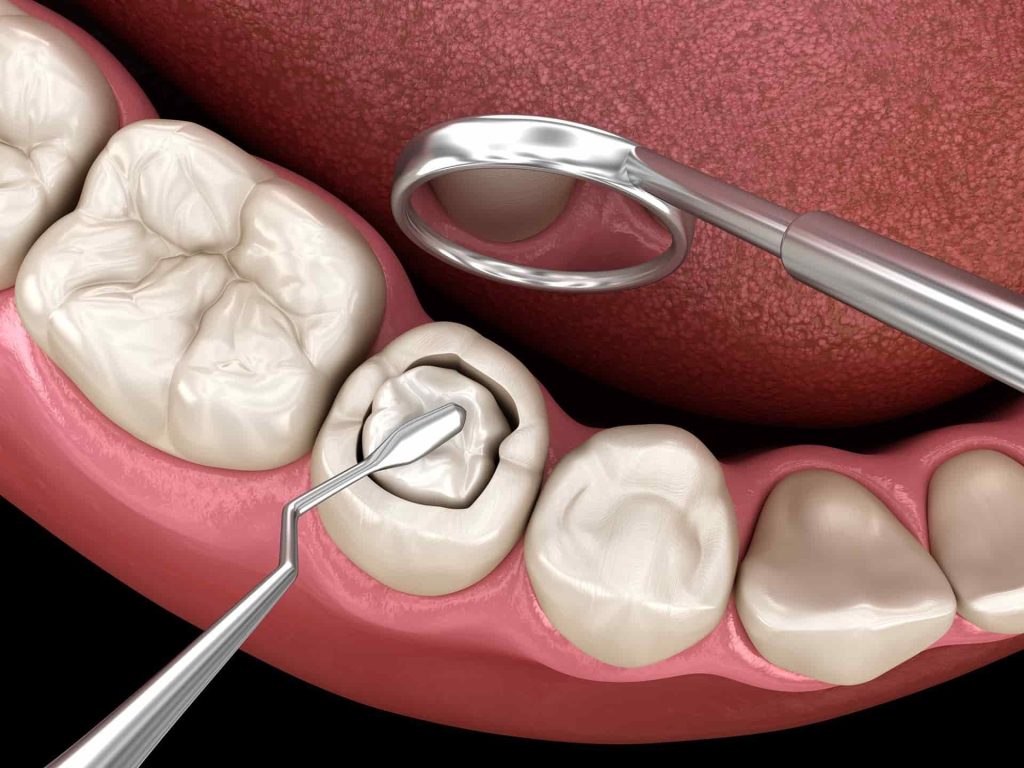
If your dentist has recommended a filling, it’s normal to feel nervous—especially if you’re wondering, “Are dental fillings painful?”
The good news is that modern dental fillings are usually not painful, thanks to advanced techniques, effective anesthesia, and improved materials.
In this blog, we’ll explain what dental fillings feel like, what happens during the procedure, how pain is managed, and what to expect after treatment.
What Is a Dental Filling?
A dental filling is a treatment used to:
-
Repair a cavity
-
Restore a chipped or worn tooth
-
Prevent further decay
The dentist removes the decayed portion of the tooth and fills the space with a durable material such as composite resin, amalgam, or ceramic.
Are Dental Fillings Painful? (Short Answer)
👉 No, dental fillings are usually not painful.
Most patients feel:
-
Mild pressure
-
Vibration
-
Slight sensitivity
Pain is rare during the procedure because local anesthesia numbs the area completely.
Why People Think Dental Fillings Hurt
Fear often comes from:
-
Old stories about painful dentistry
-
Anxiety about dental drills
-
Previous bad experiences (often outdated)
Modern dentistry focuses heavily on comfort and pain control.
What Does a Dental Filling Feel Like?
1. Before the Filling
You may feel:
-
Tooth sensitivity
-
Mild to moderate toothache (from decay)
Ironically, the filling usually relieves pain, rather than causing it.
2. During the Filling Procedure
Here’s what happens step by step:
Local Anesthesia
-
The dentist numbs the area around the tooth
-
You may feel a small pinch for a few seconds
-
After that, the tooth is completely numb
✅ You should not feel pain—only pressure.
Removing the Decay
-
A dental drill or laser removes decayed tissue
-
You may feel vibration or hear sounds
-
No sharp pain should occur
If you feel pain, dentists can add more anesthesia immediately.
Placing the Filling
-
Filling material is placed and shaped
-
A curing light hardens the filling (for composite fillings)
-
Bite is checked and adjusted
This part is painless.
Does the Type of Filling Affect Pain?
Composite (White) Fillings
-
Most common
-
Bond directly to the tooth
-
Minimal drilling
-
Very comfortable for patients
Amalgam (Silver) Fillings
-
Durable but less commonly used now
-
May require slightly more drilling
Ceramic or Glass Ionomer Fillings
-
Gentle on teeth
-
Often used for small cavities or children
👉 Pain levels are similar for all types due to anesthesia.
Is the Injection Painful?
This is often the biggest fear.
In reality:
-
The injection feels like a quick pinch
-
Discomfort lasts only a few seconds
-
Many dentists use numbing gel first
Most patients say the injection is much easier than expected.
Pain After a Dental Filling: Is It Normal?
Some discomfort after a filling is normal.
Common After-Effects
-
Sensitivity to hot or cold
-
Mild soreness around the tooth
-
Pressure sensitivity when biting
⏱ These usually last a few days to 1–2 weeks.
When Pain After a Filling Is NOT Normal
Contact your dentist if you experience:
-
Severe or worsening pain
-
Pain lasting more than 2 weeks
-
Sharp pain when biting
-
Swelling or fever
This may indicate:
-
A high filling
-
Deep decay near the nerve
-
Infection
Does Filling a Deep Cavity Hurt More?
Deep cavities are closer to the tooth nerve, so:
-
Extra anesthesia may be needed
-
Sensitivity may last longer
Still, the procedure itself is not painful when done properly.
How Dentists Minimize Pain During Fillings
Modern dentists focus heavily on patient comfort by using:
-
Effective local anesthesia
-
Gentle drilling techniques
-
Advanced tools and materials
-
Clear communication during treatment
Clinics like Papatoetoe Family Dentist prioritize gentle, patient-centered care to ensure fillings are as comfortable as possible.
What If You’re Very Anxious About Pain?
If you have dental anxiety, tell your dentist.
Options may include:
-
Extra numbing time
-
Breaks during treatment
-
Relaxation techniques
-
Calm, step-by-step explanation
You’re always in control—dentists can stop anytime you raise your hand.
Do Children Feel Pain During Fillings?
Dentists use:
-
Smaller instruments
-
Gentle techniques
-
Child-friendly communication
Children usually tolerate fillings very well, especially when cavities are treated early.
Benefits of Getting a Filling Early
Delaying treatment often causes more pain later.
Early fillings:
✔ Prevent nerve damage
✔ Avoid root canal treatment
✔ Reduce infection risk
✔ Save time and money
Frequently Asked Questions (FAQs)
Do fillings hurt without anesthesia?
Most fillings are done with anesthesia to ensure comfort.
Can I drive after a filling?
Yes, unless sedation was used (rare for fillings).
How long does a filling take?
Usually 20–40 minutes, depending on cavity size.
Can fillings cause long-term pain?
No. Persistent pain usually means the tooth needs adjustment or further treatment.
Final Thoughts
If you’re asking “Are dental fillings painful?”, the honest answer is no—modern dental fillings are very comfortable for most people. The fear of pain is often worse than the actual experience.
Getting a filling early not only protects your tooth but also prevents future pain and more complex procedures.