How Long Does Cleaning Take at the Dentist? A Complete Time Breakdown

What Does a Dentist Do on a Daily Basis? A Behind-the-Scenes Look
March 10, 2026
What Tools Do Dentists Use to Clean Teeth? A Complete Guide
March 10, 2026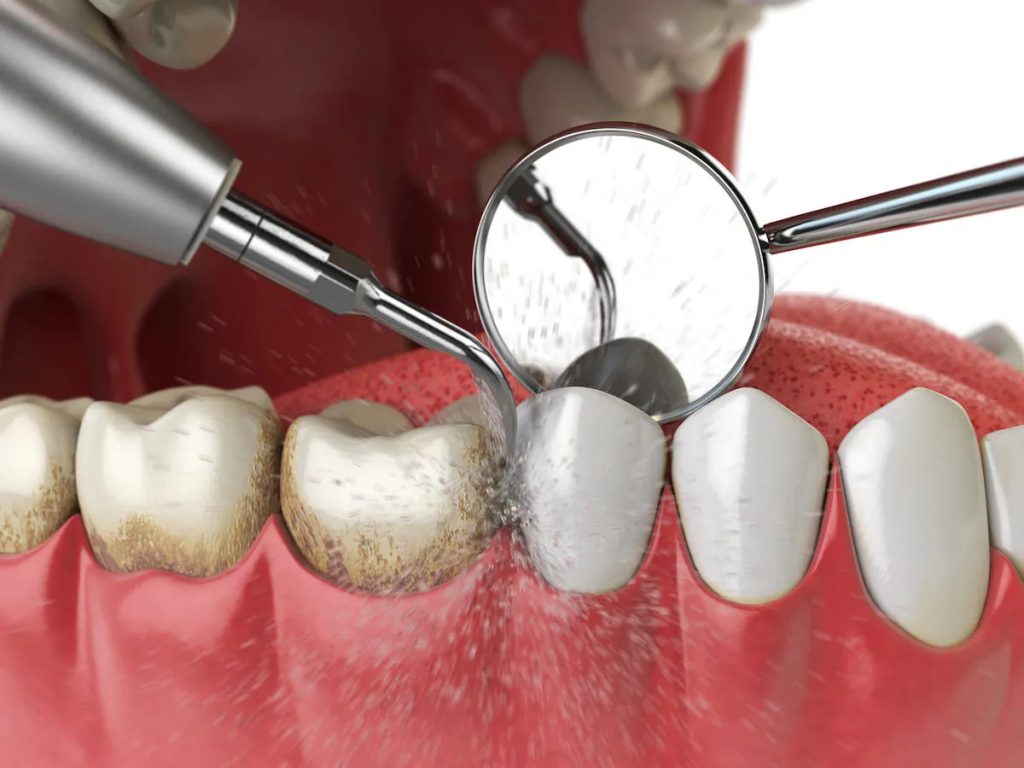
One of the most common questions patients ask before booking an appointment is:
“How long does cleaning take at the dentist?”
Professional teeth cleaning is usually quick, comfortable, and highly beneficial for your oral health. However, the exact time can vary depending on your dental condition, oral hygiene habits, and whether you have gum disease.
In this blog, we’ll explain how long a dental cleaning takes, what affects the duration, and what you can expect during your appointment.
Average Time for a Dental Cleaning
For most people, a routine dental cleaning takes:
⏱ 30 to 60 minutes
This includes:
-
Oral examination
-
Plaque and tartar removal
-
Flossing
If your gums are healthy and you attend regular check-ups, the appointment may be closer to 30 minutes.
What Happens During a Dental Cleaning?
Understanding the steps helps explain why the appointment takes the time it does.
1. Oral Examination (5–10 minutes)
The dentist or hygienist checks:
-
Teeth and gums
-
Signs of decay or gum disease
-
Existing dental work
This step ensures cleaning is safe and effective.
2. Scaling (10–25 minutes)
Scaling removes plaque and hardened tartar from:
-
Tooth surfaces
-
Between teeth
-
Along the gumline
If tartar buildup is heavy, this step may take longer.
3. Deep Cleaning Below the Gums (If Needed)
For patients with gingivitis or early gum disease, extra cleaning below the gumline may be required.
⏱ Additional time: 10–20 minutes
4. Polishing (5–10 minutes)
Teeth are polished using a rotating brush and polishing paste to:
-
Remove surface stains
-
Smooth teeth
-
Improve appearance
5. Flossing & Rinsing (5 minutes)
The final step removes leftover debris and leaves your mouth feeling fresh.
Factors That Affect How Long Dental Cleaning Takes
1. Amount of Plaque and Tartar
More buildup = longer cleaning time.
2. Gum Health
Patients with gum inflammation or bleeding require gentler, more detailed cleaning.
3. Frequency of Dental Visits
Regular visits = quicker appointments.
4. Smoking or Tobacco Use
Smokers often have heavier stains and tartar buildup.
5. Sensitivity or Anxiety
Dentists may take extra time to ensure comfort.
How Long Does Deep Cleaning Take?
Deep cleaning (scaling and root planing) is different from routine cleaning.
⏱ Time required:
-
60–90 minutes per session
-
May be split into multiple visits
This treatment is used for moderate to advanced gum disease.
Is Dental Cleaning Painful?
For most people, cleaning is not painful.
You may feel:
-
Mild pressure
-
Vibration from cleaning tools
-
Temporary sensitivity
If gums are inflamed, mild discomfort is normal and temporary.
How Often Should You Get Teeth Cleaned?
Most dentists recommend:
-
Every 6 months
You may need more frequent cleanings if you have:
-
Gum disease
-
Diabetes
-
Heavy plaque buildup
Dental clinics like Papatoetoe Family Dentist personalize cleaning schedules based on individual oral health needs.
Can You Eat After a Dental Cleaning?
Yes, you can eat immediately after cleaning.
Tips:
-
Avoid very hot or cold foods if sensitive
-
Wait 30 minutes if fluoride was applied
Does Dental Cleaning Include X-rays?
Not always.
X-rays:
-
Are usually done once a year
-
Add 10–15 minutes to your visit
Benefits of Professional Teeth Cleaning
✔ Prevents gum disease
✔ Reduces cavities
✔ Removes stains
✔ Freshens breath
✔ Detects issues early
Frequently Asked Questions (FAQs)
Can a cleaning take less than 30 minutes?
Yes, for patients with excellent oral hygiene and minimal buildup.
Why did my cleaning take longer than usual?
Likely due to tartar buildup or gum inflammation.
Is deep cleaning the same as regular cleaning?
No, deep cleaning is more intensive and takes longer.
Should I skip cleaning if my gums bleed?
No—bleeding gums often mean you need cleaning more.
Final Thoughts
If you’re wondering how long cleaning takes at the dentist, the answer is usually 30 to 60 minutes. While the appointment is short, the benefits are long-lasting.
Regular cleanings help prevent serious dental problems and keep your smile healthy and confident.